1Pat Surface Bone-Dry
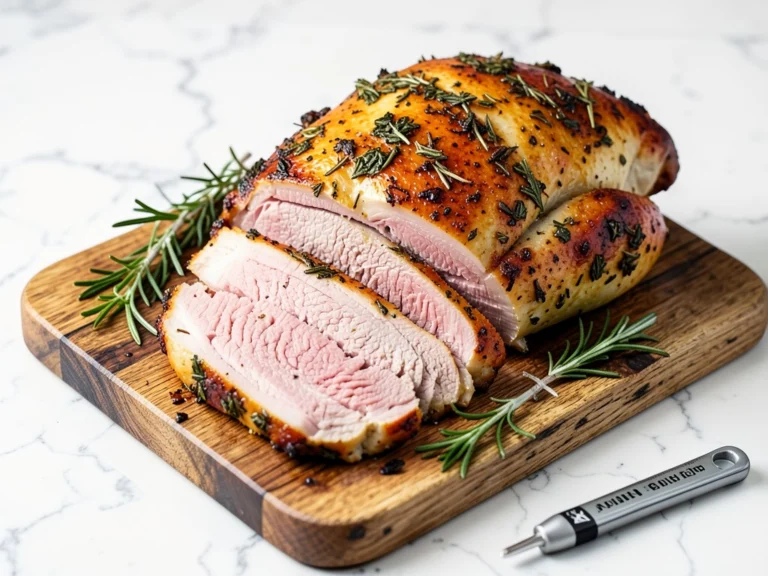
Blot all chicken cuts with paper towels so surface moisture evaporates before hitting heat.
Under USDA poultry standards, Broilers (2.5–3.5 lbs) and Fryers (3.5–4.5 lbs) are young 6- to 7-week-old birds with pliable breastbone cartilage ideal for fast high-heat roasting (50–65 minutes at 400°F), spatchcocking, or cut-up pan frying, whereas Roaster chickens are older 8- to 12-week birds weighing 5 to 7.5 pounds with higher fat marbling that require 375°F roasting for 75 to 100 minutes.
Cook Broiler vs. Fryer vs. Roaster Chicken: Weight, Age & Cooking Temp Chart for 60 minutes until the internal temperature reaches 162°F Breast / 175°F Thigh. Rest for 10–15 Mins before slicing so juices redistribute and carryover heat reaches full USDA FSIS food safety standards.
Quick Look
| Recipe | Broiler vs. Fryer vs. Roaster Chicken: Weight, Age & Cooking Temp Chart |
Get new recipes
Got chicken? Never wonder what’s for dinner again.
Under USDA poultry standards, Broilers (2.5–3.5 lbs) and Fryers (3.5–4.5 lbs) are young 6- to 7-week-old birds with pliable breastbone cartilage ideal for fast high-heat roasting (50–65 minutes at 400°F), spatchcocking, or cut-up pan frying, whereas Roaster chickens are older 8- to 12-week birds weighing 5 to 7.5 pounds with higher fat marbling that require 375°F roasting for 75 to 100 minutes.
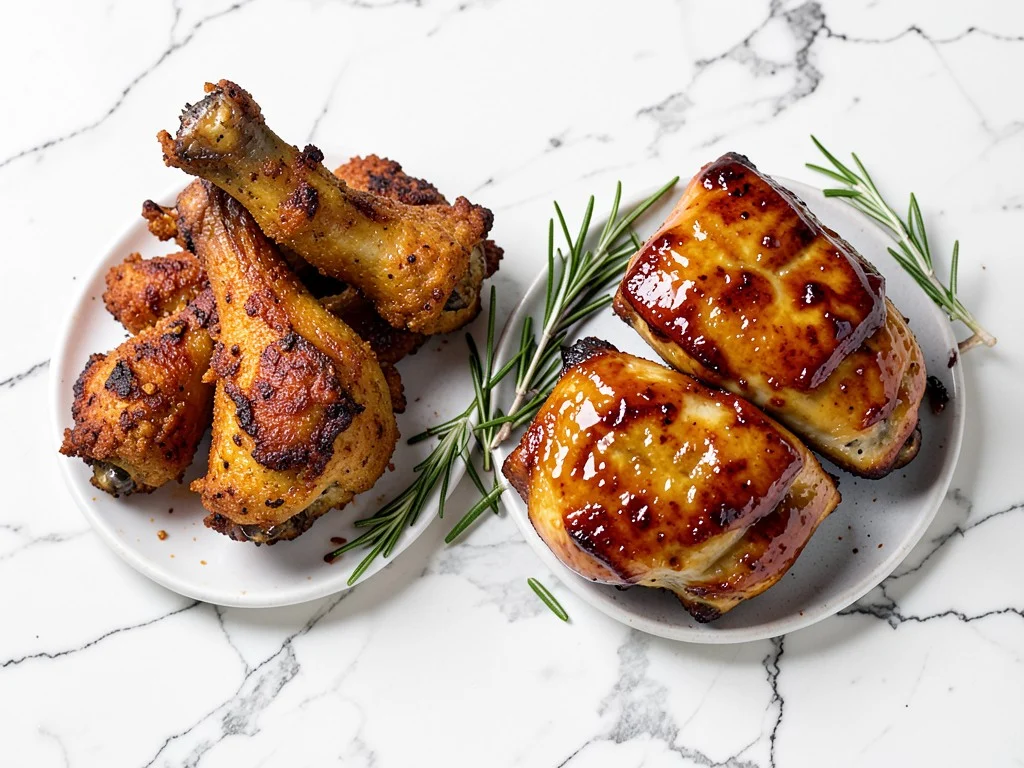
Supermarket poultry tags label whole birds as ‘Broiler,’ ‘Fryer,’ ‘Broiler-Fryer,’ or ‘Roaster’—and picking the wrong class for your recipe changes your roasting time by up to 35 minutes and alters breast meat thickness. Compare all three USDA whole-chicken classes below:
Under USDA poultry standards, Broilers (2.5–3.5 lbs) and Fryers (3.5–4.5 lbs) are young 6- to 7-week-old birds with pliable breastbone cartilage ideal for fast high-heat roasting (50–65 minutes at 400°F), spatchcocking, or cut-up pan frying, whereas Roaster chickens are older 8- to 12-week birds weighing 5 to 7.5 pounds with higher fat marbling that require 375°F roasting for 75 to 100 minutes.
Before you heat your oven, air fryer, or cast-iron skillet, use our calibrated butcher and test-kitchen comparison table to see exactly how Broiler / Fryer Chicken (2.5 to 4.5 lbs) and Roaster Chicken (5.0 to 7.5 lbs) differ in cooking time, internal pull temperature, edible yield, and nutrition:
| Comparison Metric | Broiler / Fryer Chicken (2.5 to 4.5 lbs) | Roaster Chicken (5.0 to 7.5 lbs) | Test Kitchen Verdict |
|---|---|---|---|
| Market Weight Range | Broiler: 2.5–3.5 lb • Fryer: 3.5–4.5 lb | Roaster: 5.0–7.5 lbs (Holiday size) | Fryer for 4 people / Roaster for 6–8 |
| Market Age & Cartilage | 6–7 weeks old (Soft flexible keel bone) | 8–12 weeks old (Richer fat cap & deeper flavor) | Roaster (Richest schmaltz & gravy) |
| Best Oven Temp | 400°F–425°F (Fast crisp-skin roast) | 375°F (After 15-min 425°F sear so skin doesn’t burn) | Match temp to bird weight |
| Total Roasting Time (Whole) | 50–65 minutes (or 42 mins spatchcocked) | 75–100 minutes (15–18 mins per pound) | Fryer (30 mins faster) |
| Breast-to-Dark Meat Ratio | Balanced proportion; cooks evenly | Plump double-thick breast lobes | Roaster (Best carving presentation) |
When substituting one cut or cooking method for the other, three food-science rules determine whether your chicken turns out shatter-crisp and juicy or dry and stringy:
Almost. In modern grocery stores they are often labeled together as ‘Broiler-Fryer’ (3 to 4.5 lbs). Historically, broilers are the lighter end (2.5 to 3.5 lbs) best for halving under a broiler or grill, while fryers (3.5 to 4.5 lbs) are slightly meatier for cut-up frying or whole roasting.
Because a 6- to 7-pound roaster chicken has thick breast lobes that take 80+ minutes for heat to reach the bone, roasting at 425°F the whole time would char the skin before the center hits 160°F. Roasting at 375°F cooks it evenly.
A 3.5- to 4.25-pound whole fryer chicken is the gold standard for spatchcocking—it lays completely flat on a standard half-sheet pan and roasts to glass-crisp perfection in 42 to 48 minutes at 425°F.
Sources and Food Safety References
Explore More from the Test Kitchen
Mastering Broiler vs. Fryer vs. Roaster Chicken: Weight, Age & Cooking Temp Chart comes down to precise temperature control and key technique cues.
Blot all chicken cuts with paper towels so surface moisture evaporates before hitting heat.
Coat with oil, kosher salt, garlic powder, smoked paprika, and black pepper.
Use the calibrated comparison chart above to set your exact oven or air fryer timer.
Probe the thickest center without touching bone (160°F–162°F for white meat; 175°F–185°F for dark meat) and rest 5 to 8 minutes.
Every recipe on Chickeeen relies on these four core culinary physics principles. Use our tested reference cards before you start cooking.
Exact target internal pull temperatures by cut to lock in maximum moisture.
Retain up to 40% more natural juices with proper carryover heat resting.
Dry brining science and salt penetration window for deeply seasoned poultry.
The baking powder secret, high heat Maillard reaction, and fat rendering rules.
Select your cut (breasts, thighs, ground) and available pantry staples (rice, pasta, potatoes) in our interactive decider tool. Get instant tested dinners in 10 seconds.
Technique Guides