1Pat Surface Bone-Dry
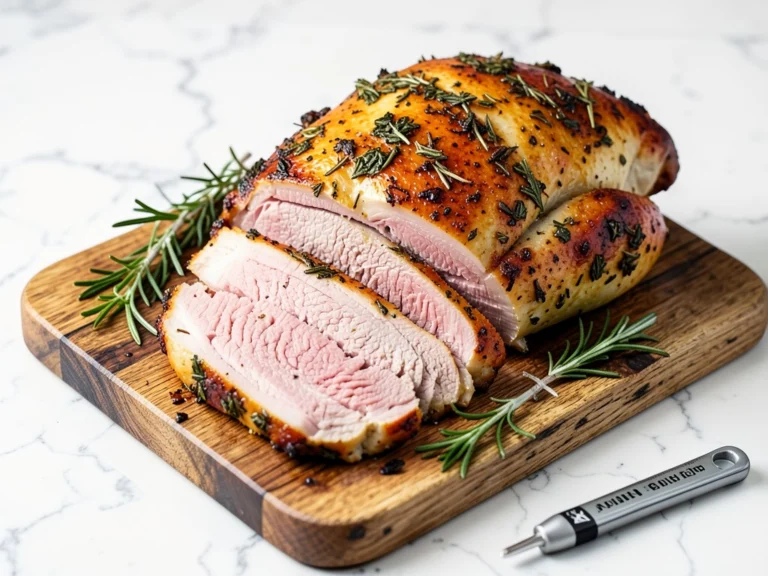
Blot all chicken cuts with paper towels so surface moisture evaporates before hitting heat.
Boneless chicken breast bakes in 20 to 24 minutes at 400°F and must be pulled at 160°F–162°F (reaching 165°F via carryover) to prevent dryness, whereas boneless chicken thighs take 22 to 26 minutes (or 35 to 40 minutes bone-in) and reach peak fall-apart juiciness at 175°F–182°F when intramuscular collagen melts.
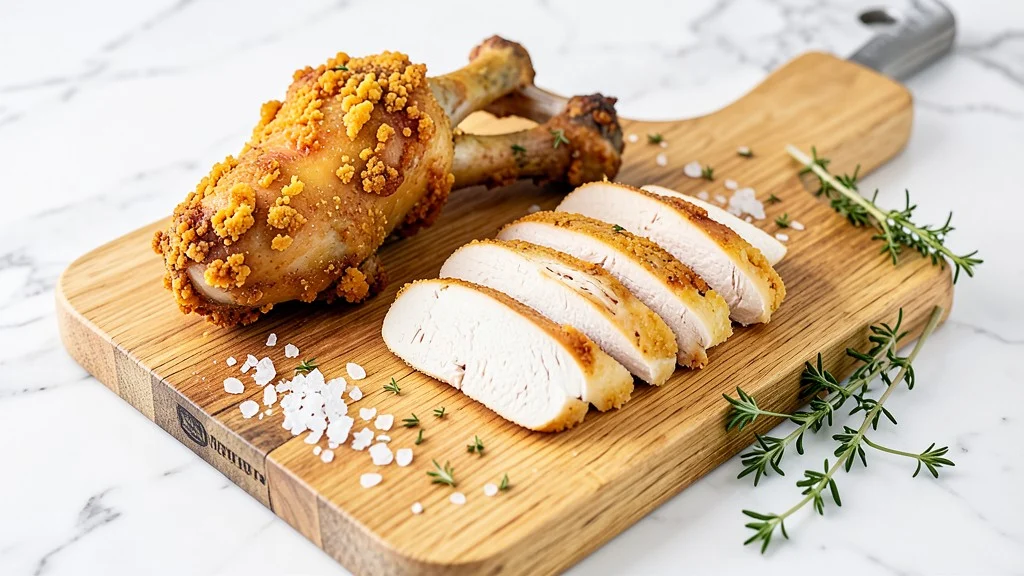
Cook Chicken Breast vs. Chicken Thighs: Cooking Time, Temp, Protein & Juiciness Chart for 25 minutes until the internal temperature reaches 160°F–162°F (Rest to 165°F). Rest for 5–10 Mins before slicing so juices redistribute and carryover heat reaches full USDA FSIS food safety standards.
Quick Look
| Recipe | Chicken Breast vs. Chicken Thighs: Cooking Time, Temp, Protein & Juiciness Chart |
Get new recipes
Got chicken? Never wonder what’s for dinner again.
Boneless chicken breast bakes in 20 to 24 minutes at 400°F and must be pulled at 160°F–162°F (reaching 165°F via carryover) to prevent dryness, whereas boneless chicken thighs take 22 to 26 minutes (or 35 to 40 minutes bone-in) and reach peak fall-apart juiciness at 175°F–182°F when intramuscular collagen melts.
Swapping chicken breast and chicken thighs in the same oven recipe without adjusting your baking time and pull temperature is the #1 cause of chalky white meat and rubbery dark meat. Compare our test-kitchen cooking timetable, protein-to-calorie macros, and moisture retention chart below:
Boneless chicken breast bakes in 20 to 24 minutes at 400°F and must be pulled at 160°F–162°F (reaching 165°F via carryover) to prevent dryness, whereas boneless chicken thighs take 22 to 26 minutes (or 35 to 40 minutes bone-in) and reach peak fall-apart juiciness at 175°F–182°F when intramuscular collagen melts.
Before you heat your oven, air fryer, or cast-iron skillet, use our calibrated butcher and test-kitchen comparison table to see exactly how Boneless Chicken Breast (White Meat) and Chicken Thighs (Dark Meat) differ in cooking time, internal pull temperature, edible yield, and nutrition:
| Comparison Metric | Boneless Chicken Breast (White Meat) | Chicken Thighs (Dark Meat) | Test Kitchen Verdict |
|---|---|---|---|
| Oven Time at 400°F | 20–24 mins (6–8 oz boneless) | 22–26 mins boneless / 35–40 mins bone-in | Breast (Faster for weeknights) |
| Optimal Pull Temp | 160°F–162°F (+4°F rest rise) | 175°F–182°F (Melts collagen) | Thighs (Forgiving 15°F window) |
| Calories (per 100g cooked) | 165 kcal | 179 kcal (skinless) / 232 kcal (skin-on) | Breast (Leanest calorie profile) |
| Protein & Fat (per 100g) | 31g Protein • 3.6g Fat | 25g Protein • 8.2g Fat (skinless) | Breast (+6g Protein per 100g) |
| Best Cooking Methods | Quick pan-searing, poaching, cutlets | High-heat roasting, braising, curries, grill | Thighs (Never dries out in sauces) |
When substituting one cut or cooking method for the other, three food-science rules determine whether your chicken turns out shatter-crisp and juicy or dry and stringy:
Bone-in chicken thighs take 12 to 15 minutes longer to bake at 400°F than boneless chicken breasts. Boneless thighs and boneless breasts take nearly the same time (20 to 25 minutes), but thighs tolerate higher internal temperatures up to 185°F.
Chicken thighs are active dark-meat muscles containing 8g to 14g of intramuscular fat plus abundant myoglobin and connective collagen that melts into gelatin above 175°F, whereas chicken breast has only 3.6g of fat and tight white fibers that squeeze out moisture above 165°F.
Yes. Boneless skinless chicken thighs can replace chicken breast 1-for-1 in stir-fries, sheet-pan bakes, slow-cooker dishes, and casseroles—simply add 3 to 5 minutes of cook time and cook to 175°F.
Sources and Food Safety References
Explore More from the Test Kitchen
Mastering Chicken Breast vs. Chicken Thighs: Cooking Time, Temp, Protein & Juiciness Chart comes down to precise temperature control and key technique cues.
Blot all chicken cuts with paper towels so surface moisture evaporates before hitting heat.
Coat with oil, kosher salt, garlic powder, smoked paprika, and black pepper.
Use the calibrated comparison chart above to set your exact oven or air fryer timer.
Probe the thickest center without touching bone (160°F–162°F for white meat; 175°F–185°F for dark meat) and rest 5 to 8 minutes.
Every recipe on Chickeeen relies on these four core culinary physics principles. Use our tested reference cards before you start cooking.
Exact target internal pull temperatures by cut to lock in maximum moisture.
Retain up to 40% more natural juices with proper carryover heat resting.
Dry brining science and salt penetration window for deeply seasoned poultry.
The baking powder secret, high heat Maillard reaction, and fat rendering rules.
Select your cut (breasts, thighs, ground) and available pantry staples (rice, pasta, potatoes) in our interactive decider tool. Get instant tested dinners in 10 seconds.
Technique Guides