TEST KITCHEN STANDARD • DIRECT ANSWER
Raw chicken tenders take 15 to 18 minutes to bake at 400°F (204°C) on a parchment-lined or wire-rack baking sheet (or 18 to 20 minutes for breaded tenders). Because chicken tenderloins are small and lean, they cook rapidly; remove them from the oven the moment an instant-read thermometer registers 160°F to 165°F (71°C to 74°C) to preserve maximum tenderness.
Anatomy of the Tenderloin: Why True Tenders Cook Differently Than Breast Strips
A true chicken tenderloin (*pectoralis minor*) is not simply sliced chicken breast. It is an anatomically distinct muscle strip nestled along the underside of the breast bone. Because chickens do not use this muscle for flight or sustained weight-bearing, its muscle fibers are extraordinarily fine and tender.
However, this delicacy also makes tenderloins vulnerable. With very low fat content and high surface area relative to their volume, tenders lose cellular moisture twice as fast as whole breasts if overcooked. Baking at 400°F provides rapid exterior heat that seals surface proteins quickly, preventing internal moisture from weeping onto the pan.
The White Tendon Removal Technique
Every genuine chicken tenderloin contains a tough, fibrous white tendon running through its center. If left intact, this tendon shrinks and contracts under 400°F oven heat, curling the tenderloin into a tough, unyielding chew.
To remove it effortlessly in one second: grip the exposed white tendon tip firmly with a paper towel using your non-dominant hand. Slide the tines of a kitchen fork over the tendon, pressing the fork down against the meat. Pull the tendon upward with the paper towel while sliding the fork downward along the meat. The tendon will slip out cleanly without tearing the tenderloin.
Cooking Time & Temperature Doneness Matrix
Use this calibrated timetable based on cut weight, bone anatomy, and preparation method:
The 4 Cardinal Mistakes That Ruin the Cook
Avoid these preventable culinary errors to guarantee juicy, crispy results:
MISTAKE #1
Overcooking Past 165°F
Because tenders are small, leaving them in the oven for even 3 extra minutes causes severe moisture loss. Check temperature at the 14-minute mark.
MISTAKE #2
Leaving the Tough White Tendon In Place
The central tendon tightens into a rubber band when cooked. Strip it out before seasoning.
MISTAKE #3
Baking Breaded Tenders Directly on Greased Foil
The underside will steam in moisture and become mushy. Bake breaded tenders elevated on an oven-safe wire cooling rack.
MISTAKE #4
Overcrowding the Pan
Leave at least 1 inch of clear space around each tenderloin so hot air can circulate and roast rather than steam.
The Master Technique (Step-by-Step Food Science)
Follow this standardized test-kitchen method to achieve consistent perfection:
-
1
Strip the Central Tendon
Use the fork-and-paper-towel technique to cleanly strip the white fibrous tendon from each raw tenderloin.
-
2
Pat Dry and Season
Pat tenders dry with paper towels. Lightly mist with olive oil spray, then season generously with kosher salt, black pepper, garlic powder, and paprika.
-
3
Wire Rack Arrangement
For crisp breaded tenders, arrange on an oven-safe wire rack set over a rimmed baking sheet. For naked tenders, arrange on a parchment-lined sheet pan.
-
4
High-Heat Roast at 400°F
Bake at 400°F on the middle oven rack for 15 to 18 minutes (or 18 to 20 minutes if breaded).
-
5
Doneness Verification
Insert an instant-read thermometer horizontally into the center of the largest tender. Remove promptly at 160°F–165°F and rest 3 minutes.
Need a Quick Reference For Your Fridge?
Download our free 1-page printable chicken cooking chart covering pull temperatures and resting formulas for every cut.
Ready to Cook? Choose a Tested Recipe Tonight
Now that you have the exact time and temperature dialed in, pair your technique with one of our chef-tested recipes:
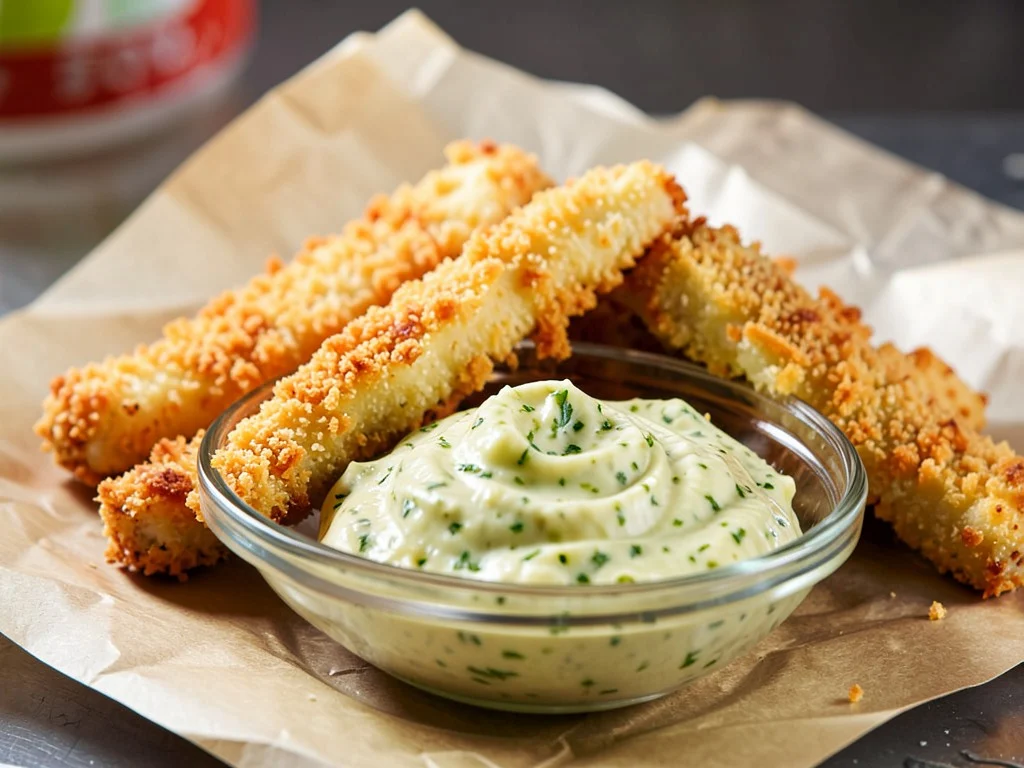
Bite-sized crispy tenderloin pieces with golden crunch and tangy dipping sauce.
VIEW TESTED RECIPE →
Coated in parmesan and herbs for low-carb crispy chicken.
VIEW TESTED RECIPE →
Tender chicken marinated in citrus, olive oil, and Mediterranean herbs.
VIEW TESTED RECIPE →
Tools That Guarantee Success Every Time
You do not need an expensive commercial oven. These fundamental kitchen tools eliminate guesswork forever:
Digital Instant-Read Meat Thermometer
Tenders overcook in a matter of seconds. An instant-read probe is essential for pulling right at 160°F–165°F.
Stainless Steel Wire Baking Rack
Elevates breaded tenders so hot air circulates underneath, ensuring bottom crust never turns soggy.
Commercial Half-Sheet Rimmed Pan
Heavy-duty aluminum conducts heat evenly for uniform browning across all tenders.
Frequently Asked Questions
The USDA Food Safety and Inspection Service (FSIS) mandates an internal temperature threshold of 165°F (73.9°C) for instantaneous Salmonella destruction. For dark poultry meat (drumsticks and thighs), culinary science dictates cooking to 175°F–185°F to ensure complete collagen breakdown into succulent gelatin.