Jump to recipe

Wet Brine vs. Dry Brine Chicken

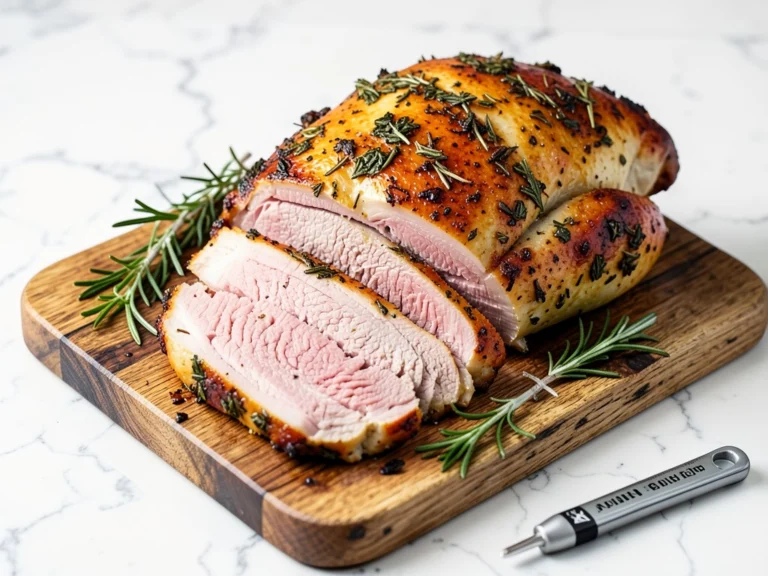
Dry brining (salting chicken with 3/4 tsp Diamond Crystal kosher salt per pound uncovered on a fridge rack for 4 to 24 hours) produces 100% shatter-crisp oven skin and concentrated savory meat flavor by retaining natural juices, whereas wet brining (1/4 cup kosher salt per quart of cold water for 30 minutes to 4 hours) adds 8% extra water cushion for ultra-lean boneless breasts on high-heat grills.

Jump to recipe
Chickeeen Test Kitchen Quick Answer

Cook Wet Brine vs. Dry Brine Chicken: Moisture Retention, Crisp Skin & Salt Chart for 40 minutes until the internal temperature reaches 165°F Minimum. Rest for 5–10 Mins before slicing so juices redistribute and carryover heat reaches full USDA FSIS food safety standards.

Target Doneness: [165°F Minimum] USDA Standard: FSIS Compliant Rest Period: [5–10 Mins]
✓
Whole Bird / Ground Chicken Safe Pull: 165°F (74°C)
Verify with Digital Thermometer →
Quick Answer • Test Kitchen Standard
  • Pat Surface Bone-Dry: Blot all chicken cuts with paper towels so surface moisture evaporates before hitting heat.
  • Season Evenly: Coat with oil, kosher salt, garlic powder, smoked paprika, and black pepper.
  • Match Time to Cut: Use the calibrated comparison chart above to set your exact oven or air fryer timer.
Prep
15 min
Cook
40 min
Rest
5 min
Total
60 min
Pull Temp
165°F Minimum
Serves
6
Calories
380 kcal
Slow Cooker Shredded Chicken Meal Prep

Quick Look

RecipeWet Brine vs. Dry Brine Chicken: Moisture Retention, Crisp Skin & Salt Chart

Get new recipes

Got chicken? Never wonder what’s for dinner again.

Dry brining (salting chicken with 3/4 tsp Diamond Crystal kosher salt per pound uncovered on a fridge rack for 4 to 24 hours) produces 100% shatter-crisp oven skin and concentrated savory meat flavor by retaining natural juices, whereas wet brining (1/4 cup kosher salt per quart of cold water for 30 minutes to 4 hours) adds 8% extra water cushion for ultra-lean boneless breasts on high-heat grills.

Submerging chicken in a salt-water wet brine adds total weight on the scale—but does it waterlog the flavor and ruin crispy oven skin compared to an overnight kosher salt dry brine? Compare our test-kitchen moisture loss and skin crunch results below:

Test Kitchen Verdict • Direct Comparison

Dry brining (salting chicken with 3/4 tsp Diamond Crystal kosher salt per pound uncovered on a fridge rack for 4 to 24 hours) produces 100% shatter-crisp oven skin and concentrated savory meat flavor by retaining natural juices, whereas wet brining (1/4 cup kosher salt per quart of cold water for 30 minutes to 4 hours) adds 8% extra water cushion for ultra-lean boneless breasts on high-heat grills.

Interactive Test Kitchen Tool • 4.9★ Calibrated

Interactive Chicken Cooking Time, Temp & Cut Calculator

Select your exact cut, piece size & heat setting for instant pull temps:
Exact Cooking Time
38–42 mins
Flip at 20-min mark
Chef Peak Pull Temp
178°F–182°F
Collagen melts above 175°F
Mandatory Rest Time
7–8 mins
+4°F carryover rise
Edible Yield & Macros
54% Meat • 24g Prot
Wire rack + baking powder
Quick Compare: Drumsticks vs. Thighs 400°F Drumsticks Chart 375°F vs 400°F Wings 165°F Pull Temp Chart
Open Full 4.9★ Guide for This Cut →

Dry Brine (Kosher Salt + Baking Powder on Rack) vs. Wet Brine (5% Salt-Sugar Water Solution) (Side-by-Side Comparison Chart)

Before you heat your oven, air fryer, or cast-iron skillet, use our calibrated butcher and test-kitchen comparison table to see exactly how Dry Brine (Kosher Salt + Baking Powder on Rack) and Wet Brine (5% Salt-Sugar Water Solution) differ in cooking time, internal pull temperature, edible yield, and nutrition:

Comparison Metric Dry Brine (Kosher Salt + Baking Powder on Rack) Wet Brine (5% Salt-Sugar Water Solution) Test Kitchen Verdict
Oven Skin Crispiness 10/10 (Dry fridge air dehydrates pellicle) 6/10 (Waterlogged skin steams unless air-dried) Dry Brine (Unbeatable for skin-on cuts)
Lean Breast Cushion 8.8/10 (Dissolves myosin to lock natural juice) 9.5/10 (Adds extra water buffer against overcooking) Wet Brine (Best for skinless grilled breast)
Flavor Concentration Pure, rich chicken flavor (Zero dilution) Slightly diluted poultry flavor if over-soaked Dry Brine (Chef & steakhouse favorite)
Brining Time Window 1–4 hrs (Cutlets/Breast) / 8–24 hrs (Whole bird) 30–60 mins (Breast) / 4–8 hrs (Whole bird) Wet Brine (Faster 30-min weeknight fix)
Fridge Space & Mess 1 wire rack on a sheet pan (Zero splash) Large bucket/pot of raw poultry water Dry Brine (Clean & effortless)

How to Swap Dry Brine (Kosher Salt + Baking Powder on Rack) and Wet Brine (5% Salt-Sugar Water Solution) Without Drying Out Your Chicken

When substituting one cut or cooking method for the other, three food-science rules determine whether your chicken turns out shatter-crisp and juicy or dry and stringy:

  1. Calibrate Your Thermometer to the Muscle Fiber Type: Lean white-meat fibers (chicken breast, cutlets, and tenderloins) contract rapidly above 162°F (72°C) and must be pulled early so carryover heat finishes the job during a 5-minute rest. Dark-meat cuts (thighs, drumsticks, leg quarters, and wings) are rich in tough connective collagen that only melts into velvety gelatin between 175°F and 185°F (79°C–85°C).
  2. Adjust for Bone Insulation and Piece Thickness: An intact bone acts as a thermal sink, requiring 12 to 15 extra minutes at 400°F compared to boneless cuts of the same weight. Always probe the thickest center of the muscle without touching bone.
  3. Control Surface Moisture Before Heat Contact: Whether you are comparing oven vs. air fryer or bone-in vs. boneless, patting the surface bone-dry with paper towels and elevating skin-on cuts on a wire rack prevents trapped steam from softening the crust.
Related 4.9★ Butcher & Timing Guides

Explore More Precision Chicken Comparisons & Charts

Master Chicken Cuts Comparison Hub (20 Showdowns) →
Chicken Drumsticks vs. Thighs Guide (4.9★) →
How Long to Bake Drumsticks at 400°F Chart →
Safe Chicken Internal Temperature Chart (165°F vs 175°F) →

Frequently Asked Questions: Wet Brine Vs Dry Brine Chicken

When should you use a wet brine instead of a dry brine for chicken?

Use a quick 30- to 45-minute wet brine for boneless, skinless chicken breasts or tenderloins when you don’t have time for an overnight dry brine and want extra insurance against high-heat grilling.

Why does dry brining make chicken skin so much crisper?

During a dry brine, kosher salt first draws out surface moisture, dissolves into a concentrated brine that reabsorbs into the meat, and leaves the outer skin dry to the touch in the refrigerator—so it blisters immediately in a 400°F oven instead of steaming.

Can you over-brine chicken in a wet brine?

Yes. Leaving boneless chicken breasts in a salt-water wet brine for more than 2 hours (or a whole chicken for more than 12 hours) breaks down muscle proteins excessively, resulting in a spongy, ham-like texture.

Explore More from the Test Kitchen

The Technique

Mastering Wet Brine vs. Dry Brine Chicken: Moisture Retention, Crisp Skin & Salt Chart comes down to precise temperature control and key technique cues.

1Pat Surface Bone-Dry

Blot all chicken cuts with paper towels so surface moisture evaporates before hitting heat.

2Season Evenly

Coat with oil, kosher salt, garlic powder, smoked paprika, and black pepper.

3Match Time to Cut

Use the calibrated comparison chart above to set your exact oven or air fryer timer.

4Verify Pull Temp

Probe the thickest center without touching bone (160°F–162°F for white meat; 175°F–185°F for dark meat) and rest 5 to 8 minutes.

Test Kitchen Standards

Essential Benchmarks for Perfect Poultry

Every recipe on Chickeeen relies on these four core culinary physics principles. Use our tested reference cards before you start cooking.

Safety and Juiciness

Safe Pull Temp

165°F White / 175°F Dark

Exact target internal pull temperatures by cut to lock in maximum moisture.

Read Full Guide →
Moisture Lock

Resting Time Formula

5 to 15 Minutes

Retain up to 40% more natural juices with proper carryover heat resting.

Read Full Guide →
Deep Flavor

Salt Ratio and Timing

1% by Total Weight

Dry brining science and salt penetration window for deeply seasoned poultry.

Read Full Guide →
Maximum Crunch

Crispy Skin Science

Surface Dehydration

The baking powder secret, high heat Maillard reaction, and fat rendering rules.

Read Full Guide →
Master Chicken Cooking Times and Temperature Chart
Every cut, cooking method, and safe pull temperature on one printable page.
Get Printable Chart →
Nutrition per serving
Calories
380
Protein
32g
Fat
26g
Carbs
1g
Sodium
620mg
Sugar
0g
Calculated by Nutrifox · estimates only · varies by brand
Frequently asked

Wet Brine vs. Dry Brine Chicken: Moisture Retention, Crisp Skin & Salt Chart, your questions.

When should you use a wet brine instead of a dry brine for chicken?
Use a quick 30- to 45-minute wet brine for boneless, skinless chicken breasts or tenderloins when you don't have time for an overnight dry brine and want extra insurance against high-heat grilling.
Why does dry brining make chicken skin so much crisper?
During a dry brine, kosher salt first draws out surface moisture, dissolves into a concentrated brine that reabsorbs into the meat, and leaves the outer skin dry to the touch in the refrigerator—so it blisters immediately in a 400°F oven instead of steaming.
Can you over-brine chicken in a wet brine?
Yes. Leaving boneless chicken breasts in a salt-water wet brine for more than 2 hours (or a whole chicken for more than 12 hours) breaks down muscle proteins excessively, resulting in a spongy, ham-like texture.
What makes Wet Brine vs. Dry Brine Chicken: Moisture Retention, Crisp Skin & Salt Chart worth making?
Dry brining (salting chicken with 3/4 tsp Diamond Crystal kosher salt per pound uncovered on a fridge rack for 4 to 24 hours) produces 100% shatter-crisp oven skin and concentrated savory meat flavor by retaining natural juices, whereas wet brining (1/4 cup kosher salt per quart of cold water for 30 minutes to 4 hours) adds 8% extra water cushion for ultra-lean boneless breasts on high-heat grills.
How long does Wet Brine vs. Dry Brine Chicken: Moisture Retention, Crisp Skin & Salt Chart take to make?
Wet Brine vs. Dry Brine Chicken: Moisture Retention, Crisp Skin & Salt Chart takes 55 minutes total: 15 min prep and 40 min cook time.
What equipment do you need for Wet Brine vs. Dry Brine Chicken: Moisture Retention, Crisp Skin & Salt Chart?
A heavy-bottomed pan, tongs, and an instant-read thermometer are a solid baseline for most chicken recipes.
What is the key technique for Wet Brine vs. Dry Brine Chicken: Moisture Retention, Crisp Skin & Salt Chart?
**Verify Pull Temp**: Probe the thickest center without touching bone (160°F–162°F for white meat; 175°F–185°F for dark meat) and rest 5 to 8 minutes.
KITCHEN INDECISION SOLVER

Staring Into the Fridge with Raw Chicken?

Select your cut (breasts, thighs, ground) and available pantry staples (rice, pasta, potatoes) in our interactive decider tool. Get instant tested dinners in 10 seconds.

Launch Dinner Decider →

Technique Guides

Related Techniques

View all technique guides →

THE TEST KITCHEN DISPATCH

Never Wonder What’s For Dinner.

Failproof chicken recipes, exact pull temperatures, and test kitchen notes delivered weekly.

Zero spam • 100% free test kitchen guides • Unsubscribe anytime
Free Guide: Printable Chicken Temperature and Rest Chart (PDF).