Reserve 1 cup of starchy pasta cooking water before draining noodles. Starch molecules suspend butterfat and cheese solids into an emulsion, binding rich pan sauces to poultry cutlets rather than pooling at the bottom of your bowl. Poultry must reach a verified 165°F (74°C) core temperature before tossing into cream reductions.
The Chicken and Pasta Comfort Collection: 25 Tested Skillet Classics
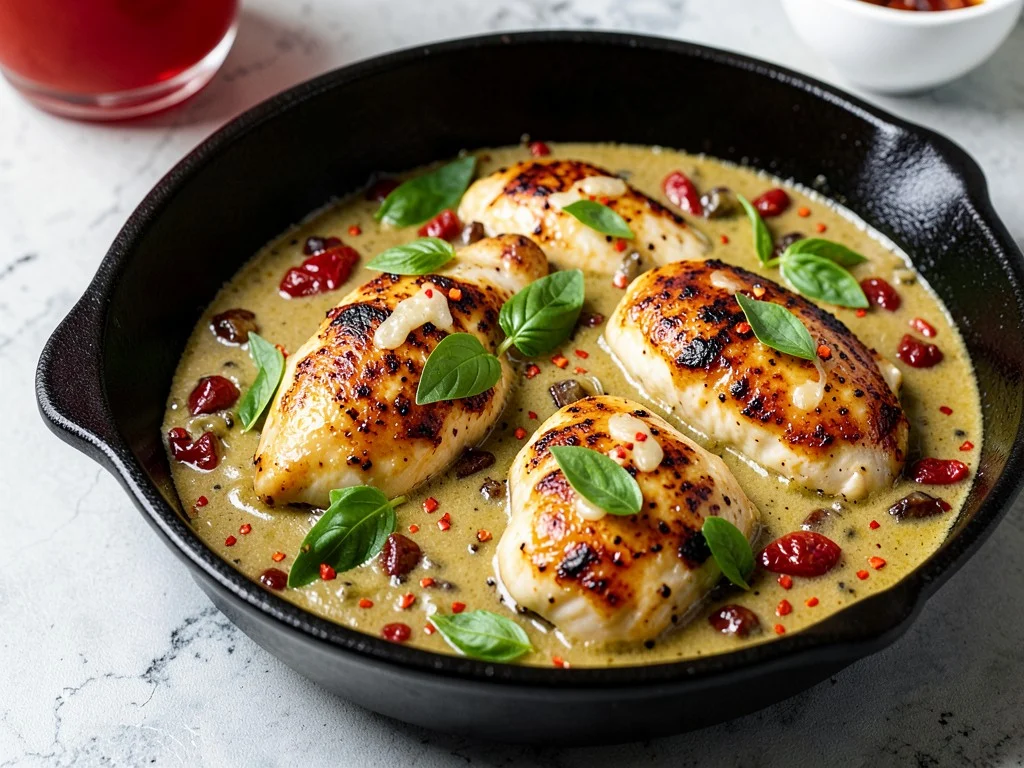
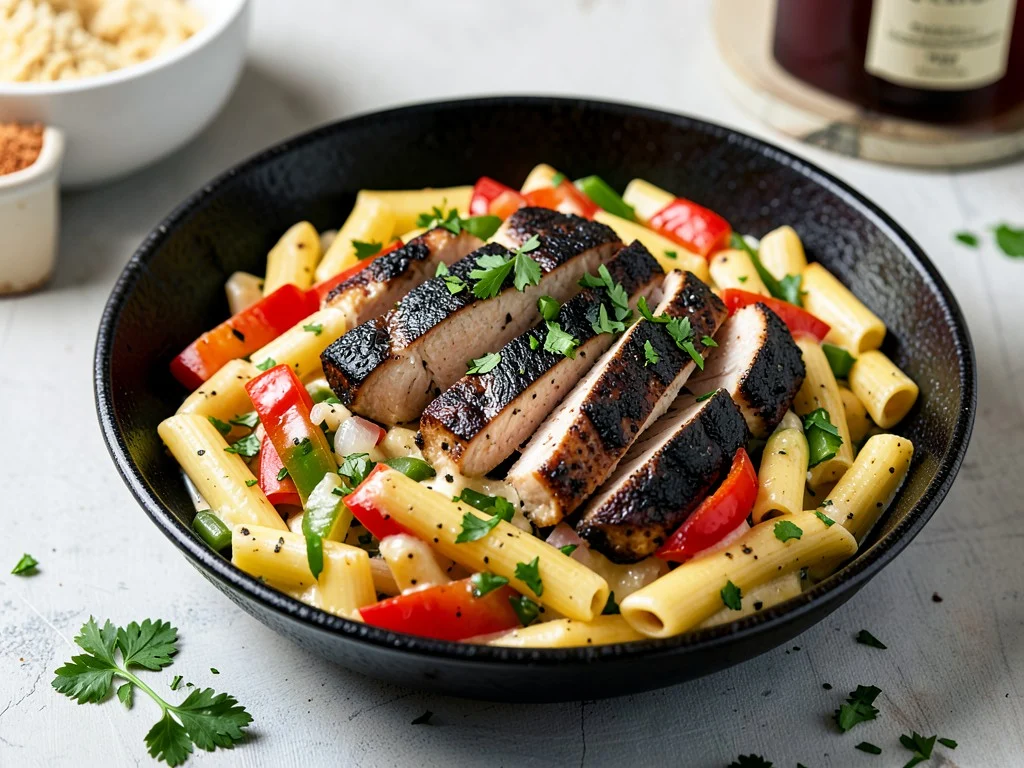
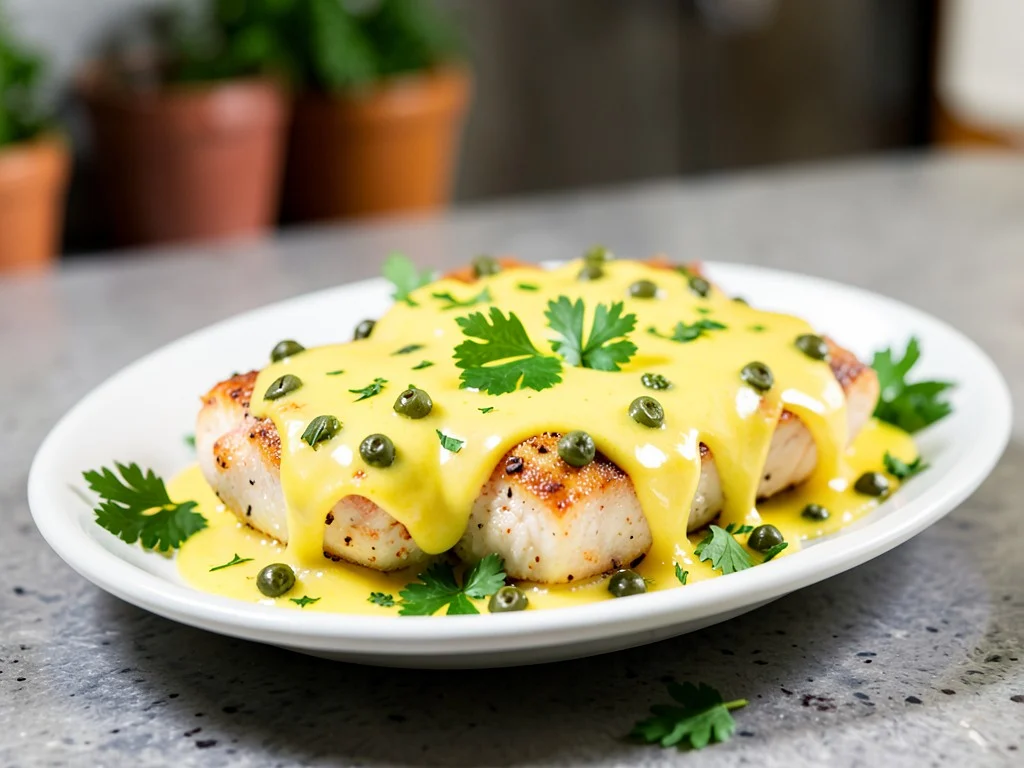
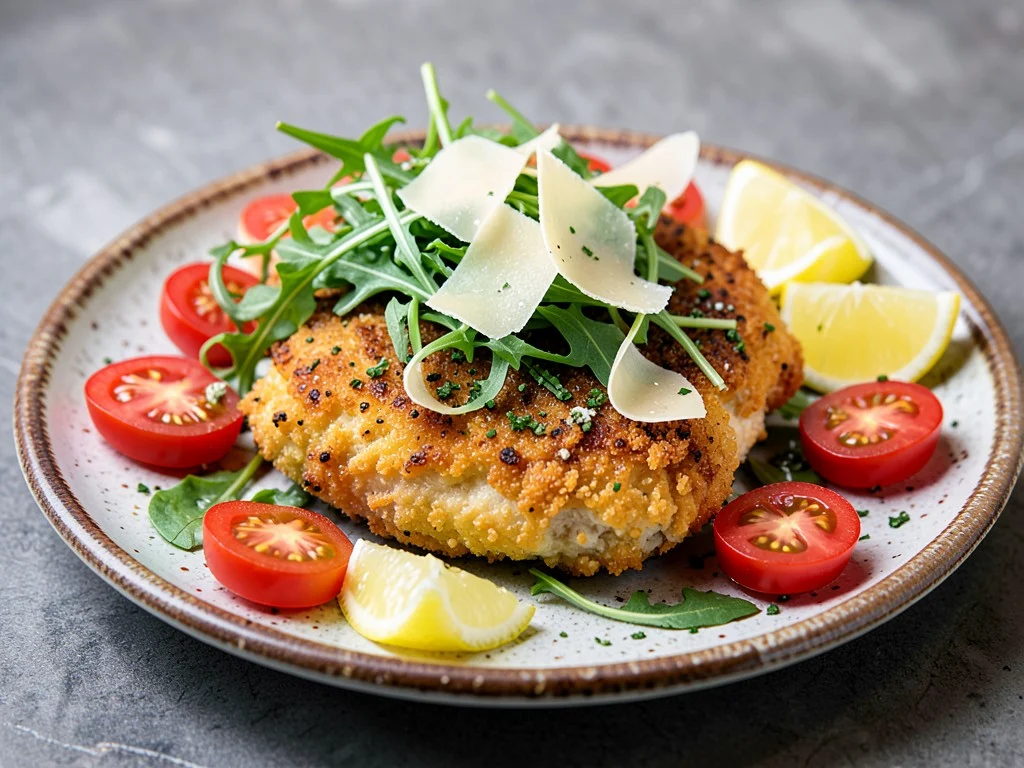
Browse our chef-developed collection of scratch Alfredo ribbons, Tuscan sun-dried tomato skillets, pan-fried chicken Milanese, and one-pot creamy orzo dinners. Each recipe is tested for rapid weeknight prep under 35 minutes and guaranteed USDA food safety.


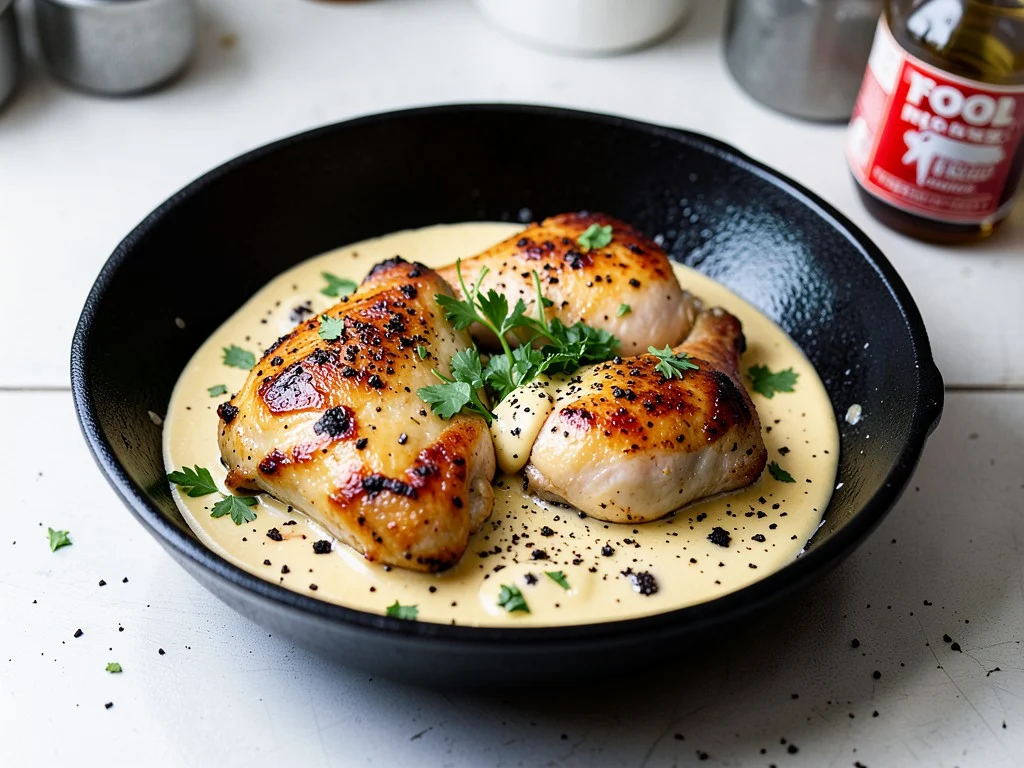
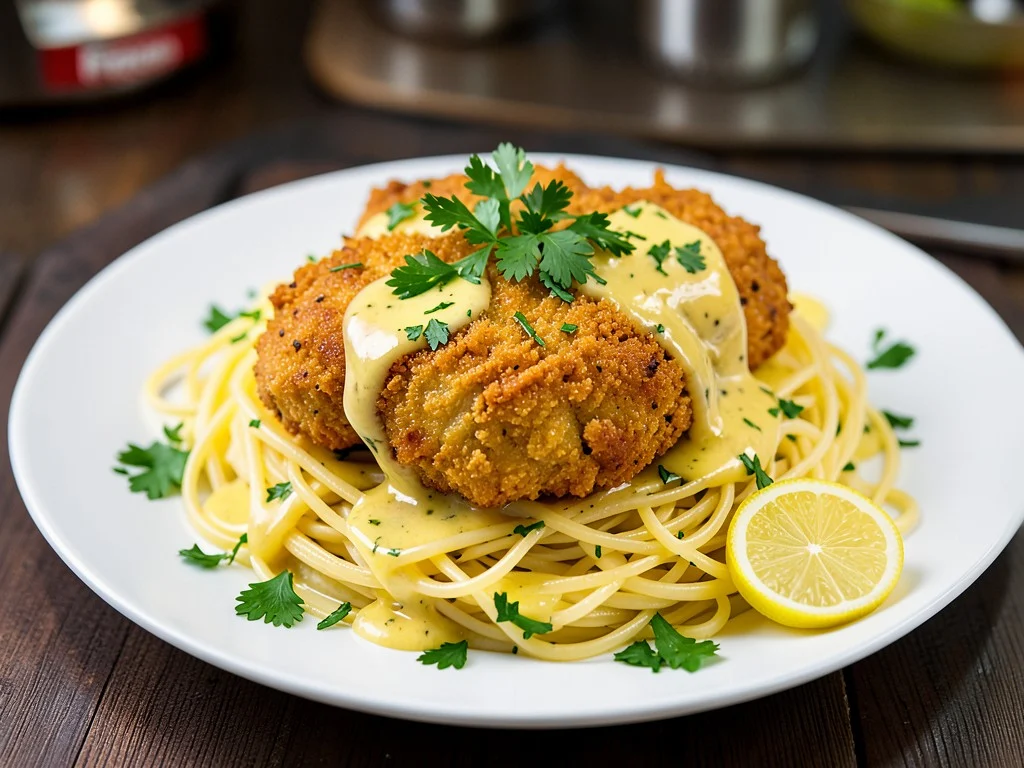
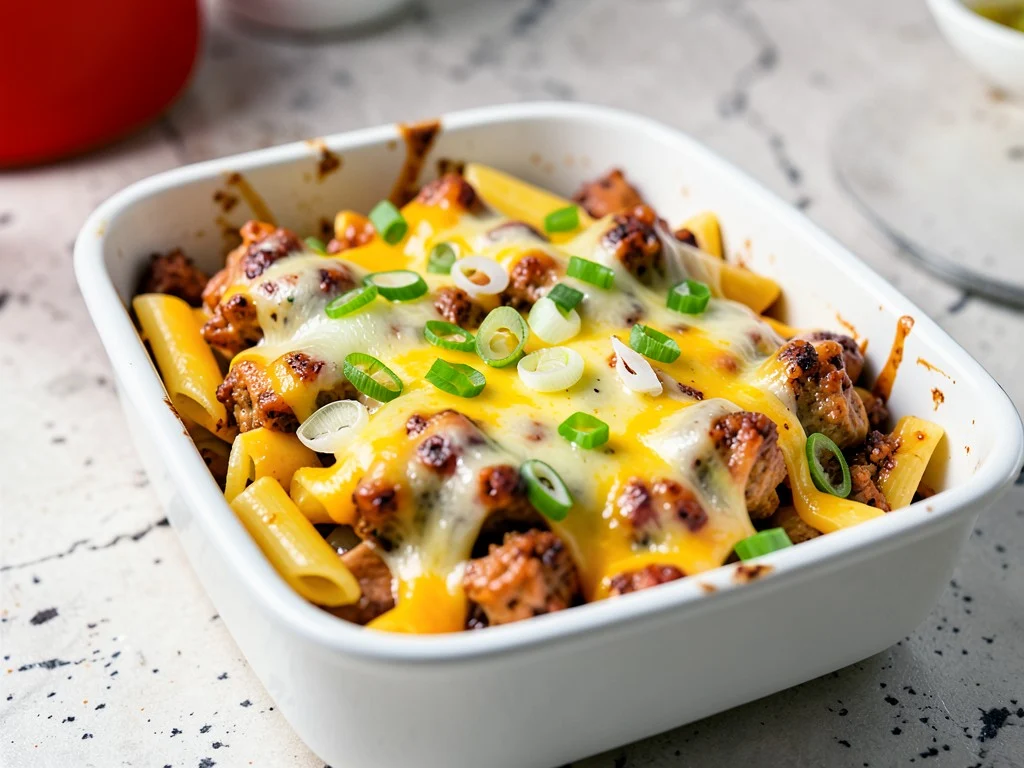
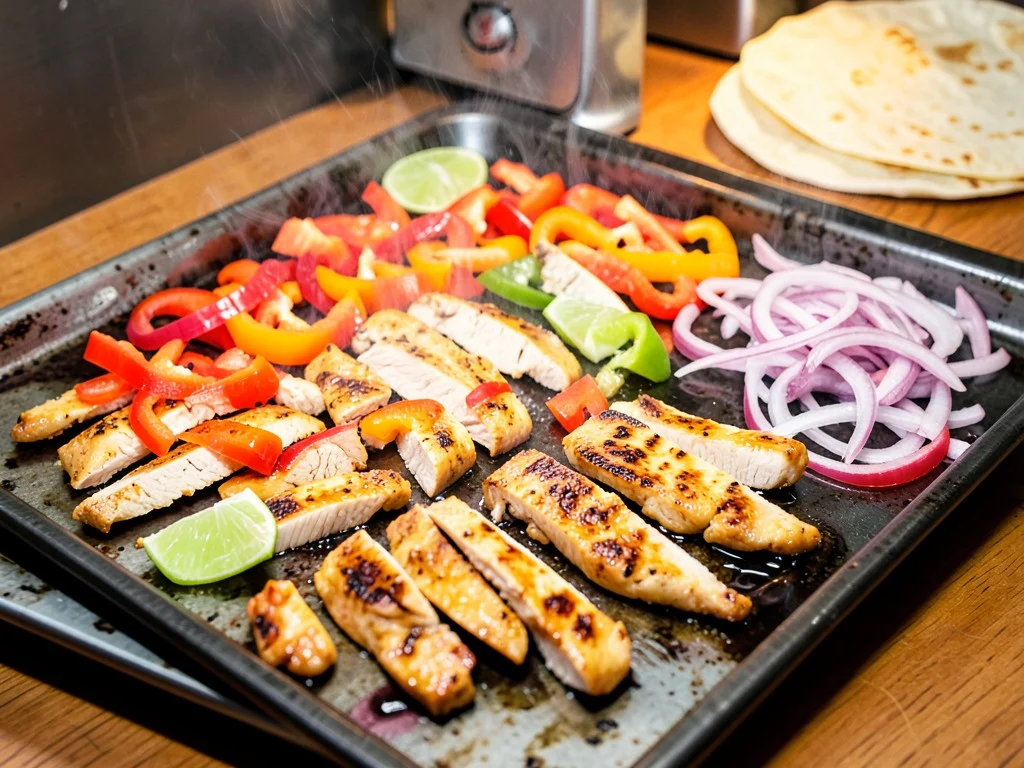
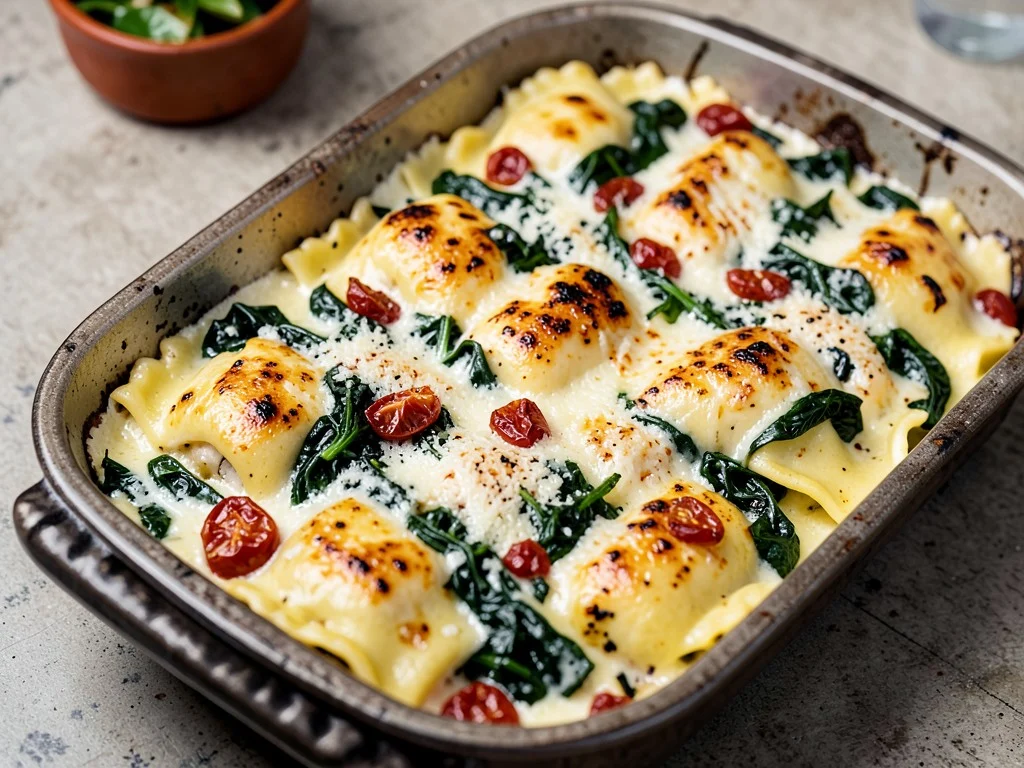
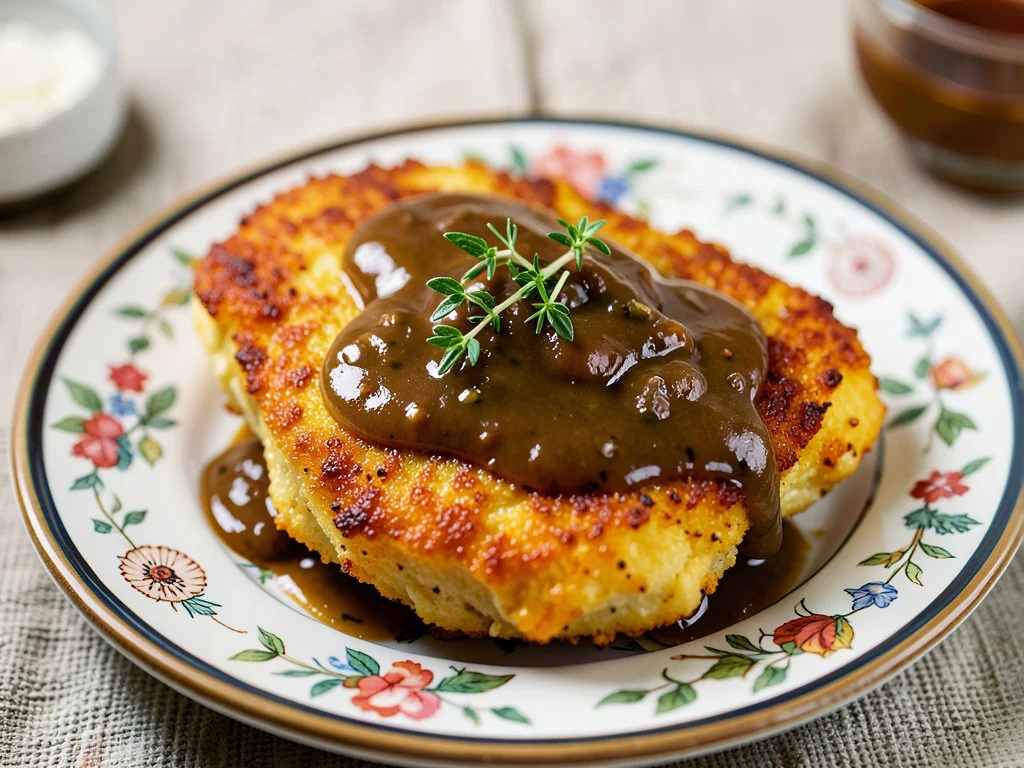
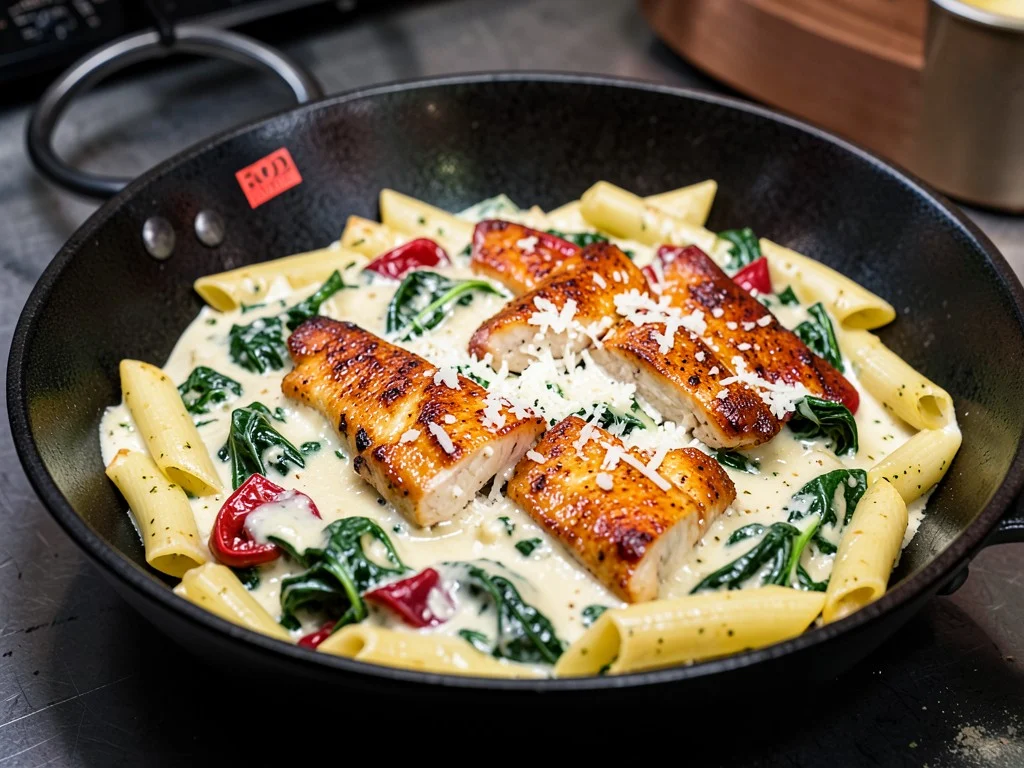
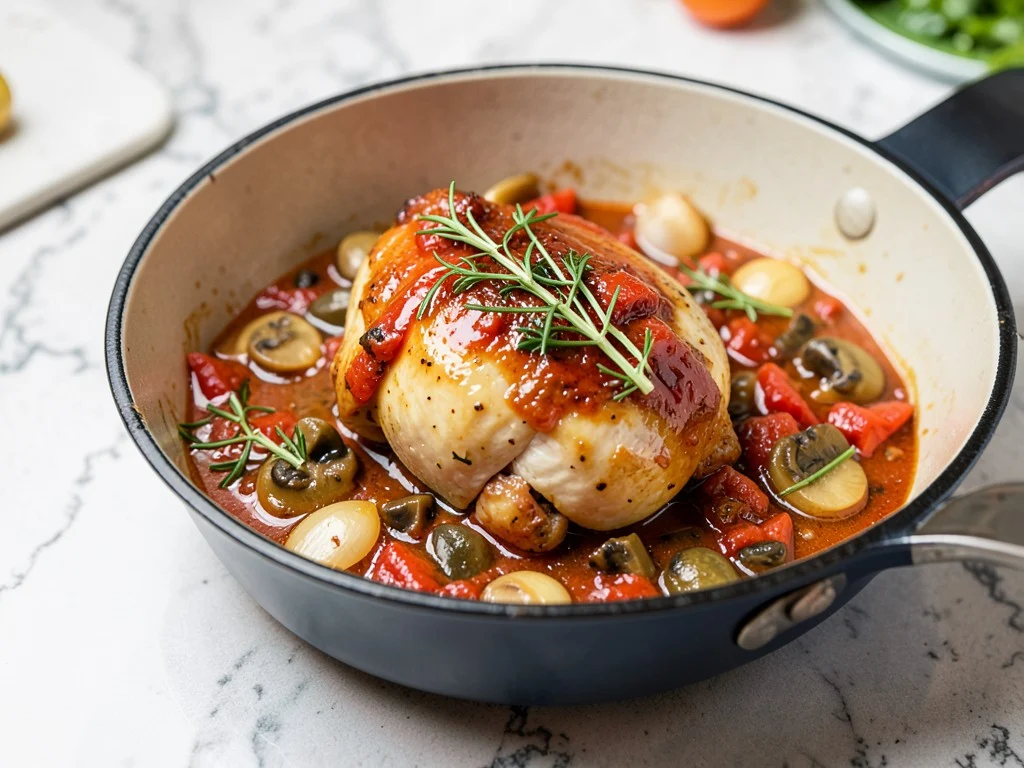
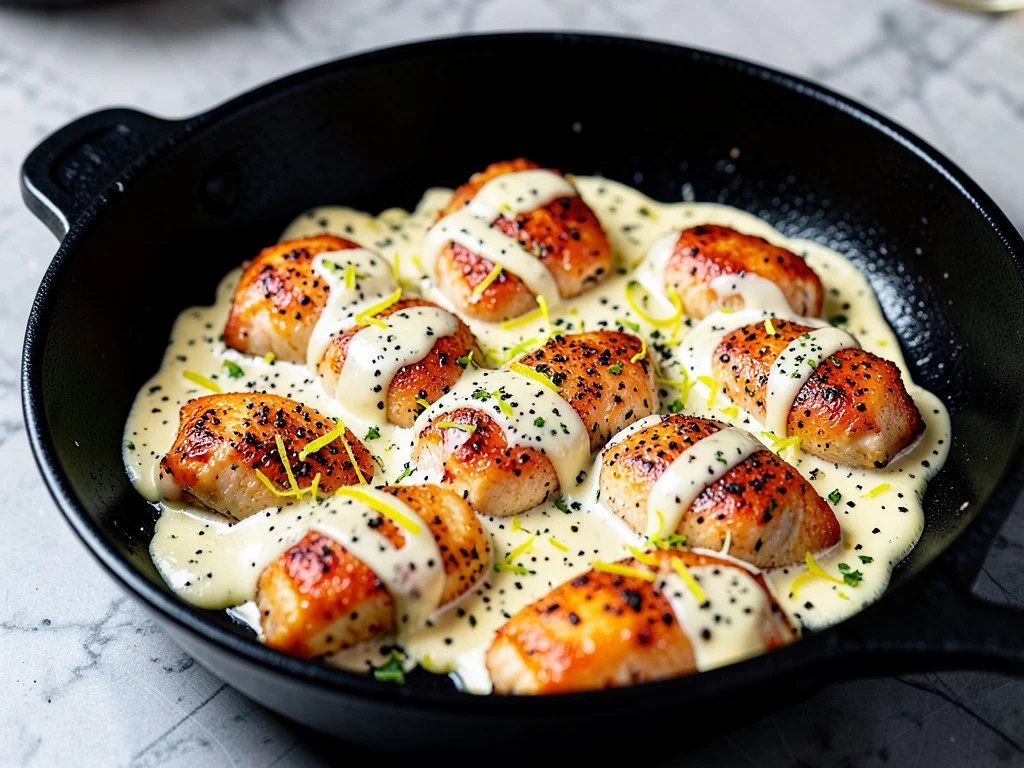
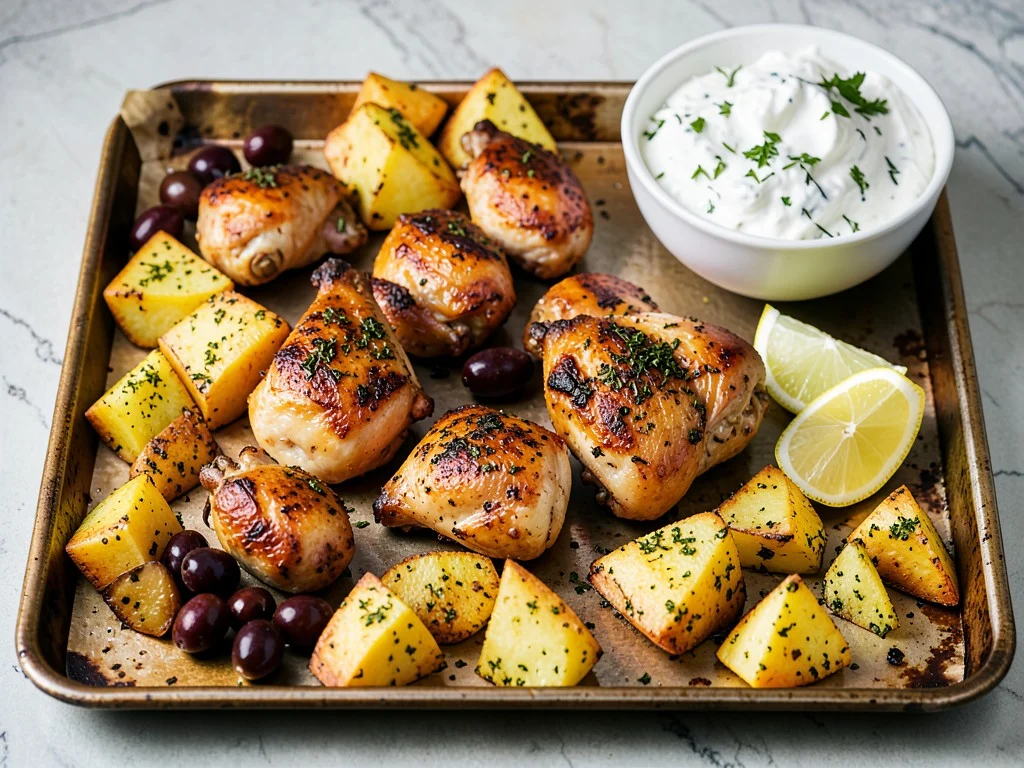
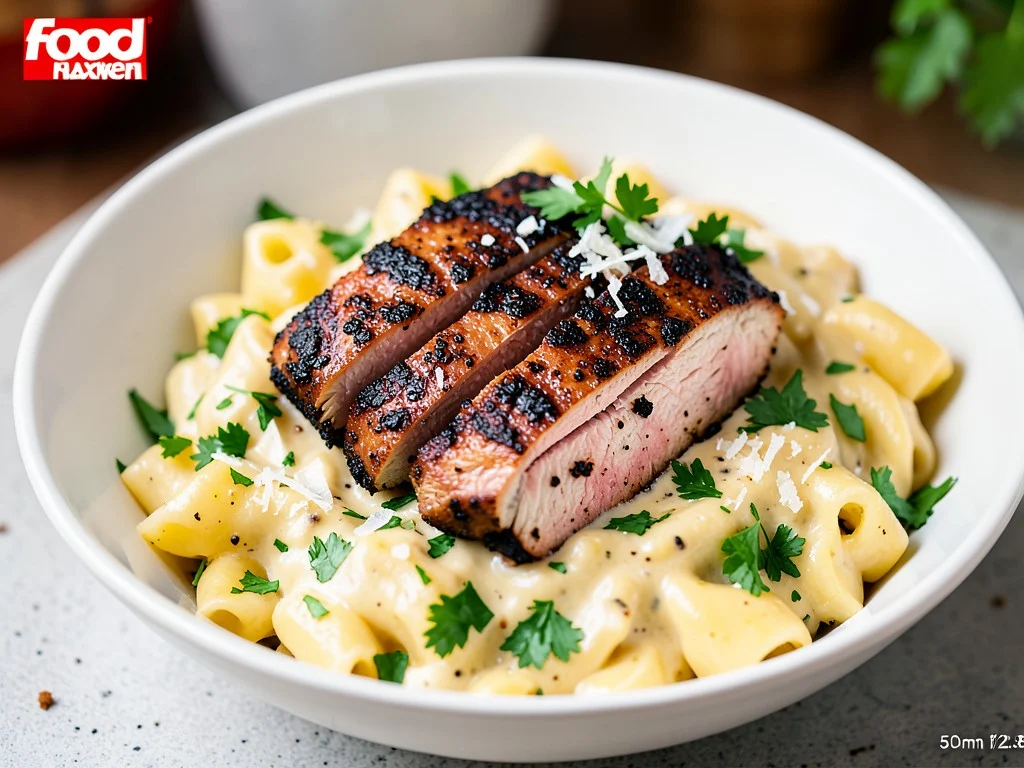
The Culinary Science of Skillet and Pasta Cookery
Achieving silky, restaurant-quality skillet pasta at home requires understanding four core chemical principles:
- Pan Fond Caramelization: Searing lightly dredged chicken cutlets in hot fat leaves microscopic browned proteins (fond) on the skillet bottom. Deglazing with wine, citrus juice, or bone broth lifts these glutamates directly into the sauce, providing foundational umami richness.
- Starch Emulsification: When pasta boils, amylose starches leach into cooking water. Adding 1/4 cup of this hot water to heavy cream and grated Parmigiano-Reggiano forms a cohesive emulsion that prevents oily separation.
- Dairy Heat Management: Boiling cream sauces after adding cheese causes casein proteins to denature and coagulate into a grainy, broken texture. Always remove the pan from direct heat before gently folding in grated parmesan.
- Carryover Cooking in Hot Sauces: Lean chicken breast cutlets lose moisture exponentially above 165°F. Remove cutlets from hot skillets as soon as an internal probe registers 160°F to 162°F; carryover heat while resting brings the meat to safe 165°F (74°C) without drying out.
Pasta Shape and Chicken Sauce Pairing Matrix
| Pasta Shape | Best Chicken Preparation | Sauce Compatibility | Boil Time to Al Dente |
|---|---|---|---|
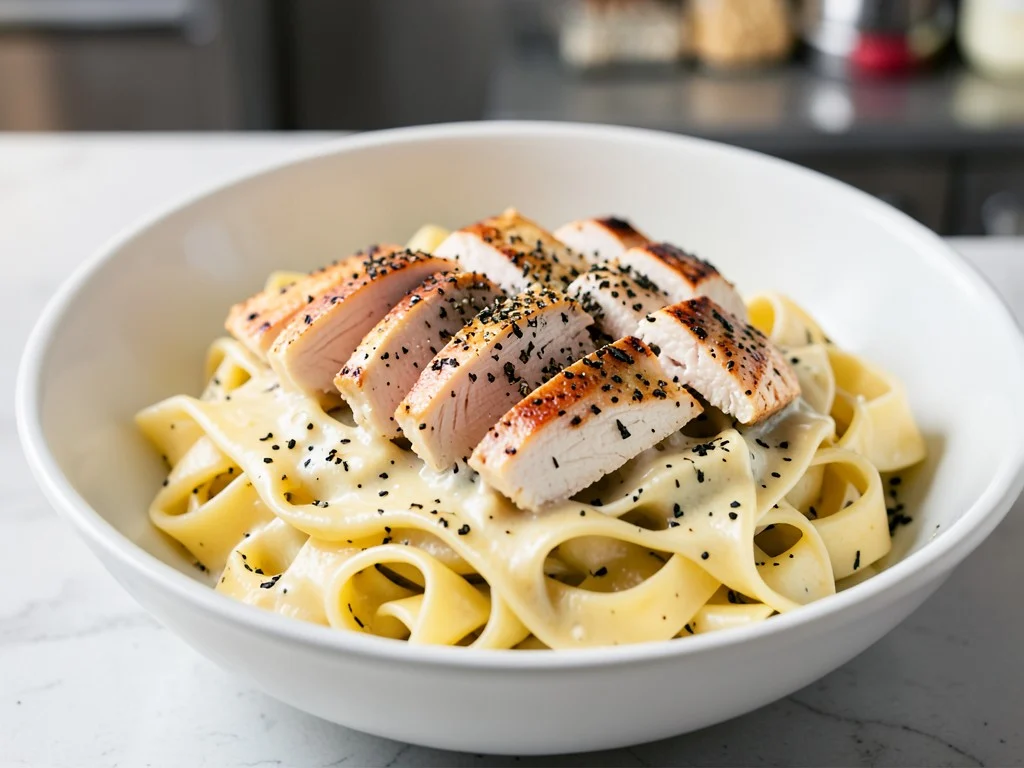
| Fettuccine | Grilled Blackened or Garlic Cutlets | Heavy scratch Alfredo, garlic parmesan cream | 9 to 11 minutes |
| Penne Rigate | Blackened Cajun Chicken and Peppers | Spicy Cajun cream, chunky tomato basil marinara | 10 to 12 minutes |
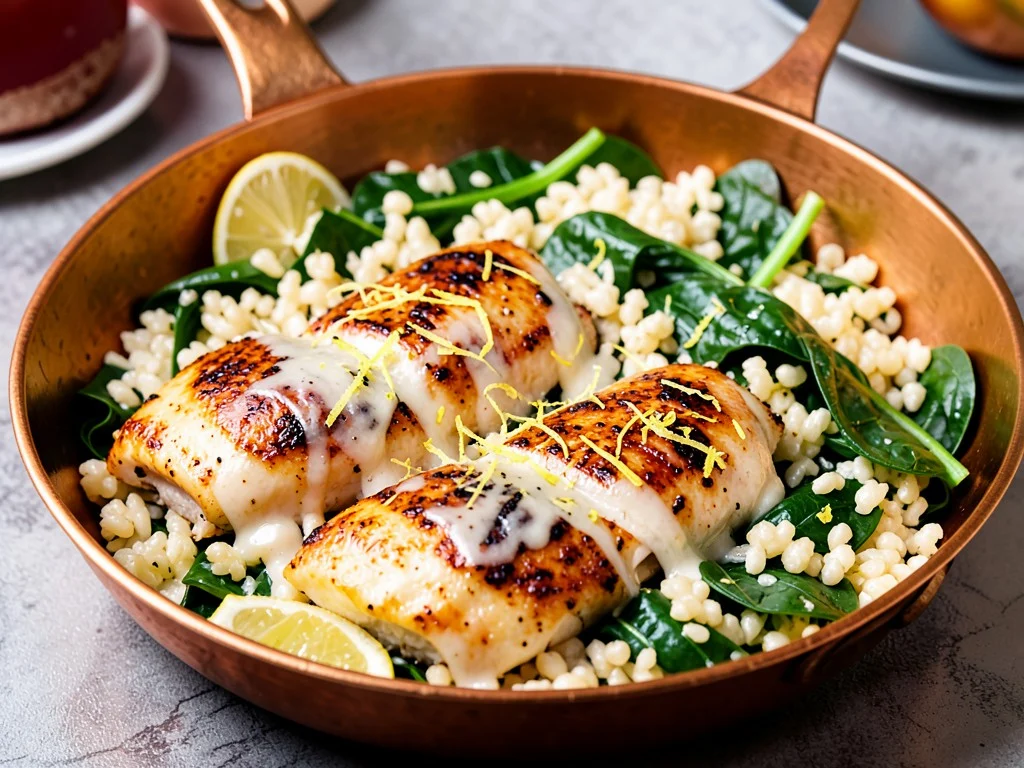
| Orzo | One-Pan Garlic Butter Seared Cutlets | Lemon herb broth, parmesan spinach glaze | 8 to 9 minutes (in broth) |
| Angel Hair | Pan-Seared Piccata and Francese | Delicate lemon butter white wine pan reductions | 3 to 4 minutes |
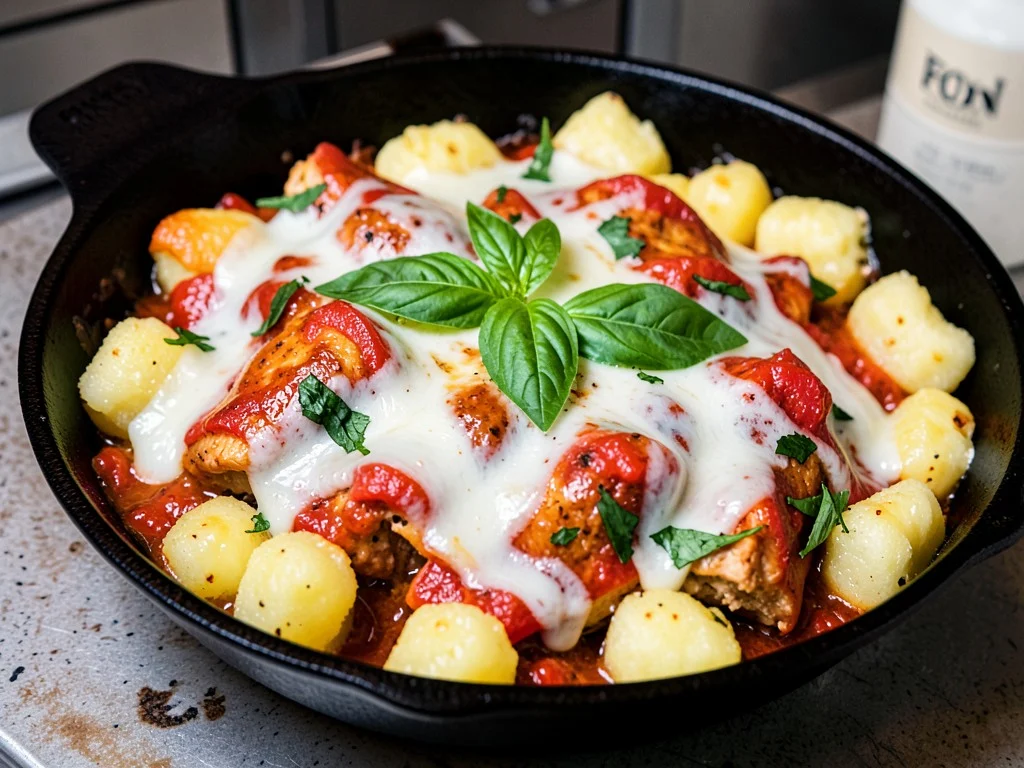
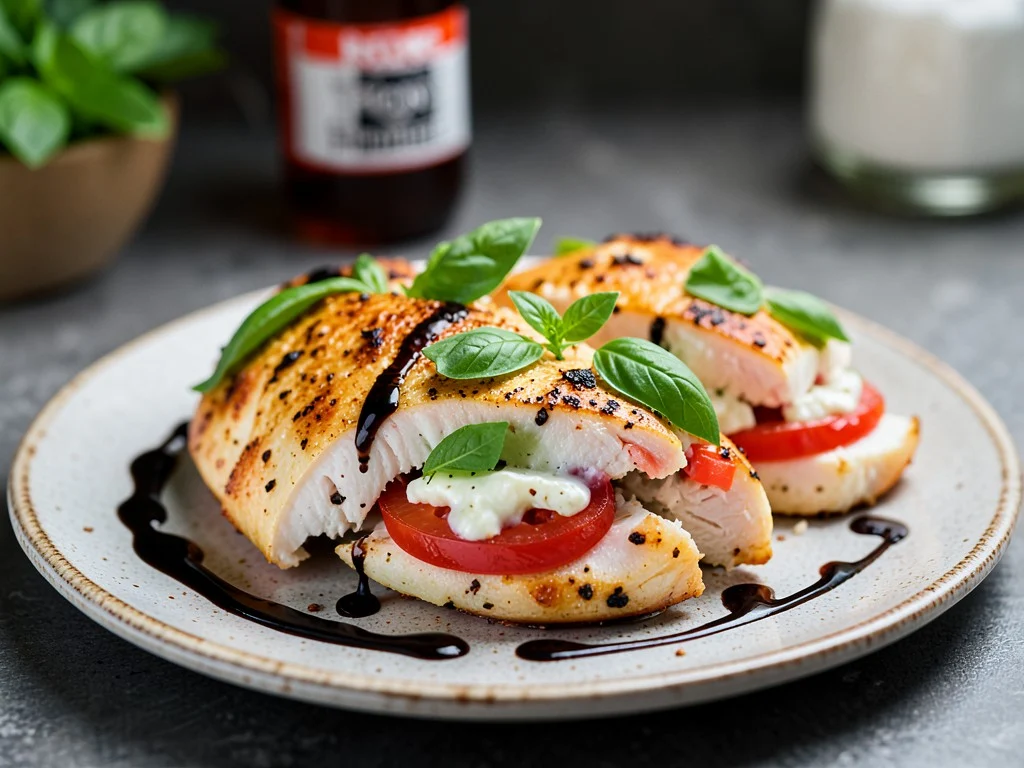
| Potato Gnocchi | Tomato Basil Mozzarella Skillet | Sun-dried tomato pesto cream, baked marinara | 2 to 3 minutes (floats) |
Frequently Asked Questions
Why does pasta water make cream sauces creamier?
Boiling pasta releases microscopic starch granules into water. When added to warm cream and cheese, this starch acts as a natural emulsifying agent, binding water and fat molecules into a silky, clingy sauce that coats pasta ridges.
How do I keep chicken cutlets juicy when cooking in a skillet?
Slice chicken breasts horizontally into thin cutlets and pound to a uniform 1/2-inch thickness. Thin cutlets sear and cook through completely in 3 to 4 minutes per side before exterior proteins become tough or dry.
Can I freeze chicken and pasta dishes?
Cream-based pasta sauces tend to separate when frozen and thawed. Baked chicken pasta dishes with marinara, mozzarella, or orzo broths freeze and reheat exceptionally well for up to 3 months.