Global Chicken Standard:
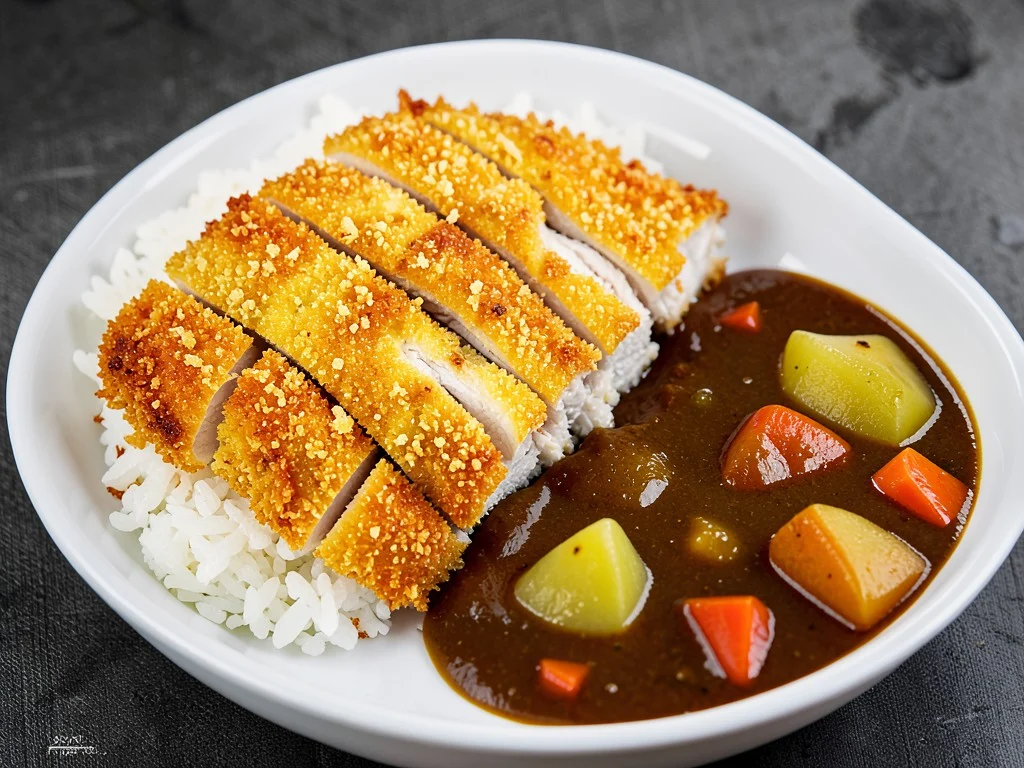
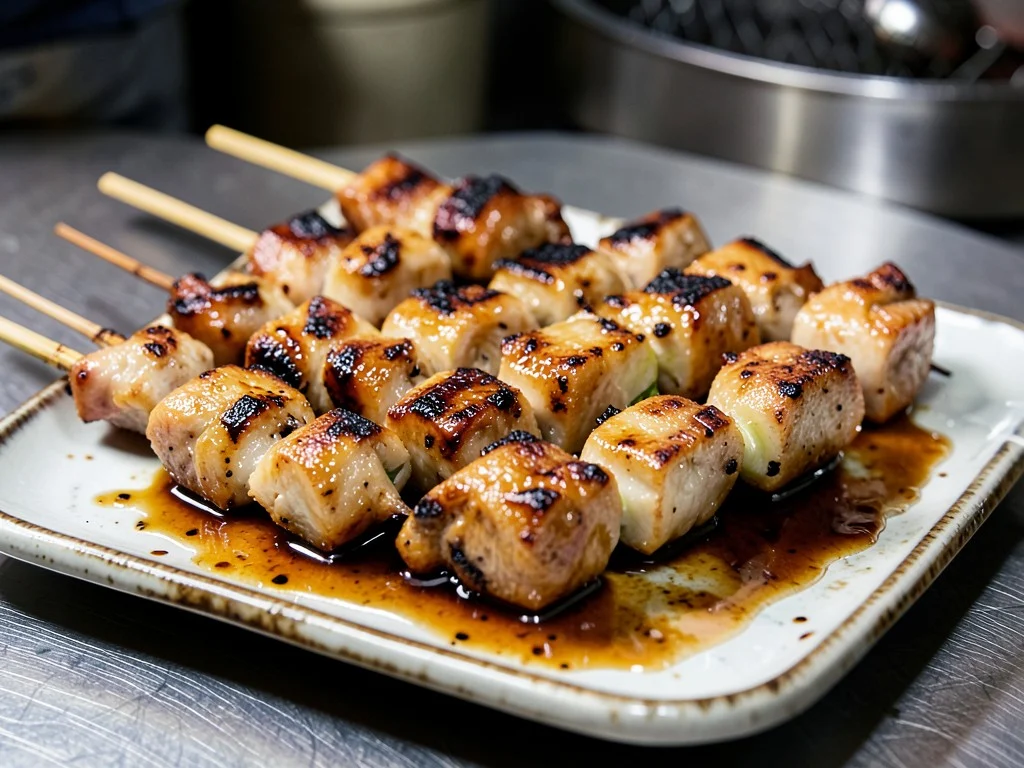
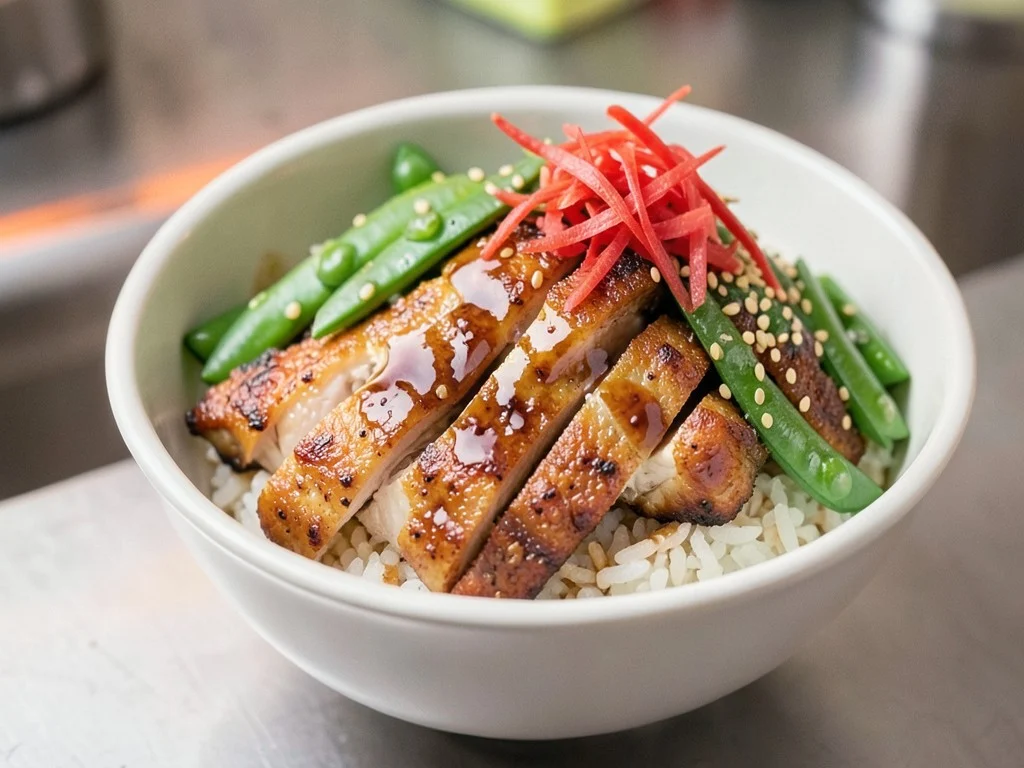
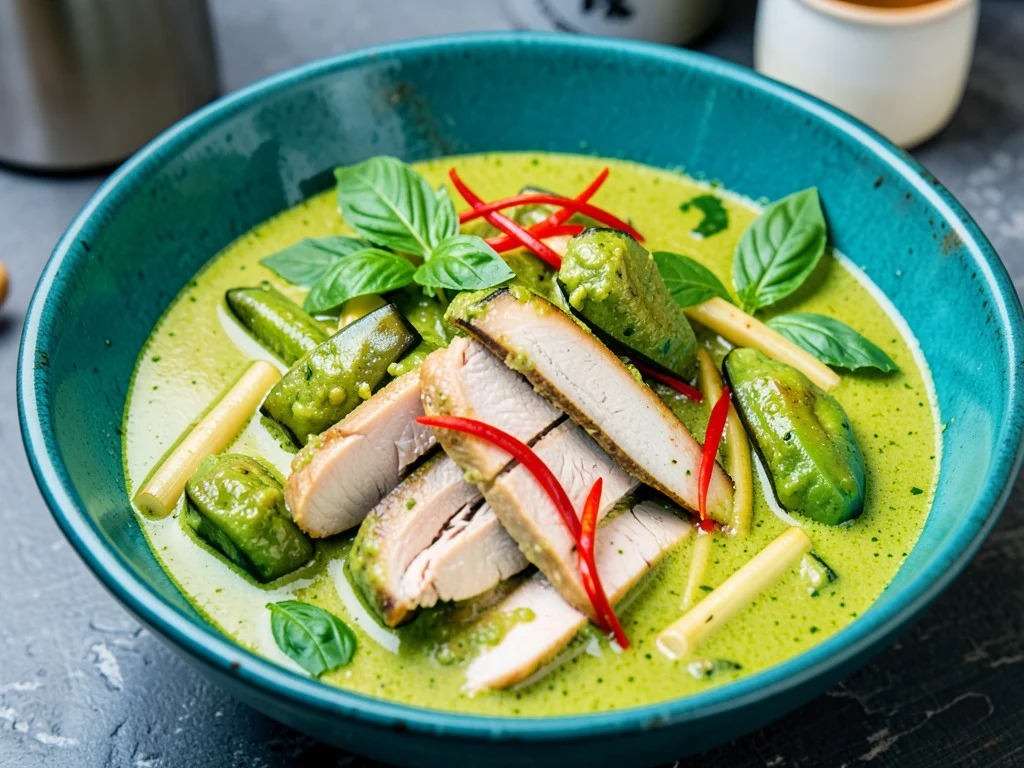
International poultry cooking is defined by high-heat Maillard caramelization, enzymatic tenderization (such as Asian pear and yogurt marinades), and fat-bloomed aromatic spice pastes. From Seoul double-fried crunch to Tokyo yakitori glaze and Bangkok coconut curries, each recipe honors authentic regional street-food tradition with strict USDA thermal safety.
International poultry cooking is defined by high-heat Maillard caramelization, enzymatic tenderization (such as Asian pear and yogurt marinades), and fat-bloomed aromatic spice pastes. From Seoul double-fried crunch to Tokyo yakitori glaze and Bangkok coconut curries, each recipe honors authentic regional street-food tradition with strict USDA thermal safety.
The Global Street Food Collection: 30 Tested Regional Specialties
Each recipe in this curated international collection has been double-tested in the Chickeeen Test Kitchen for authentic regional flavor profiles, crispy textures, and precise 165°F (74°C) internal doneness without needing specialized restaurant equipment.



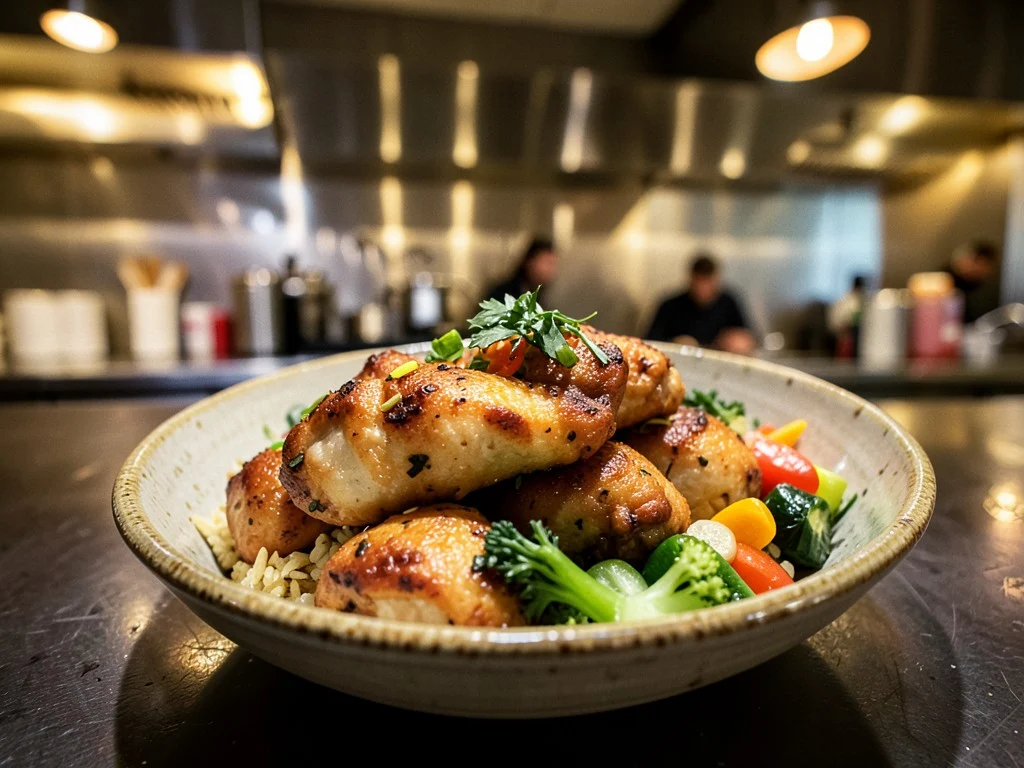
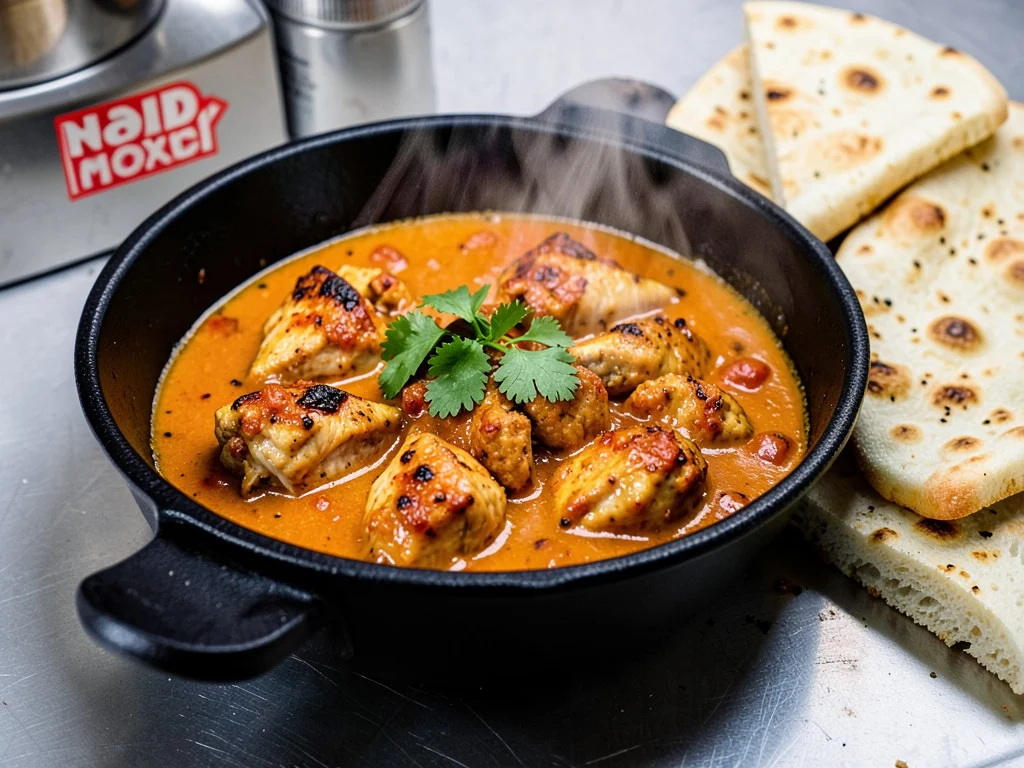
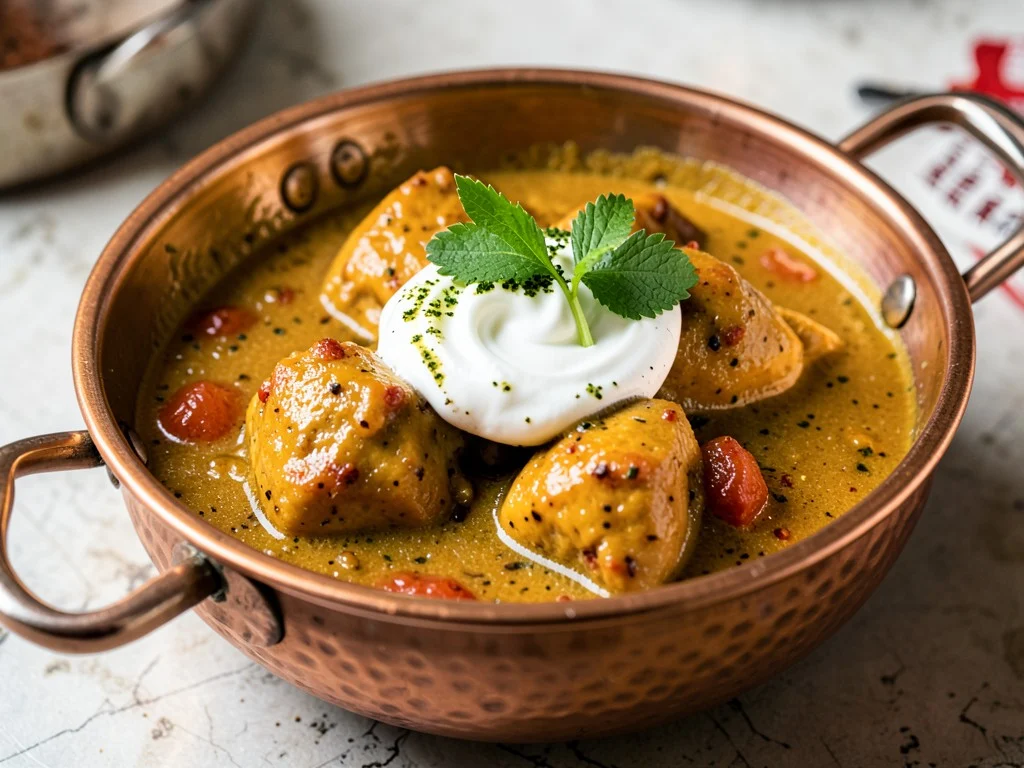
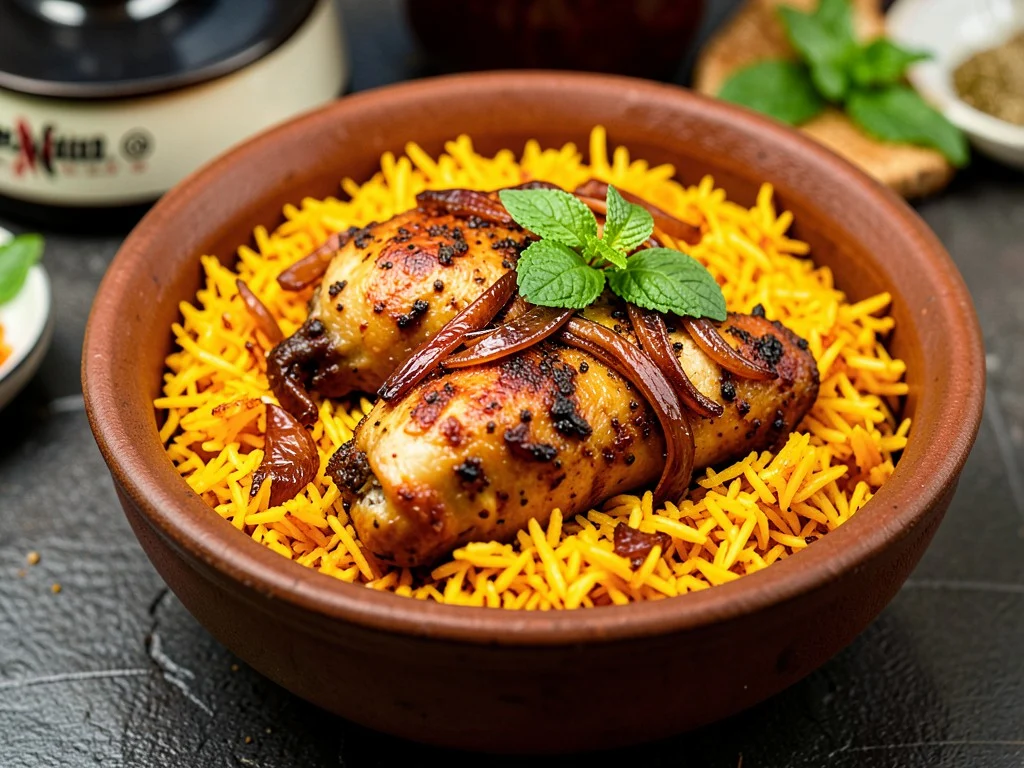




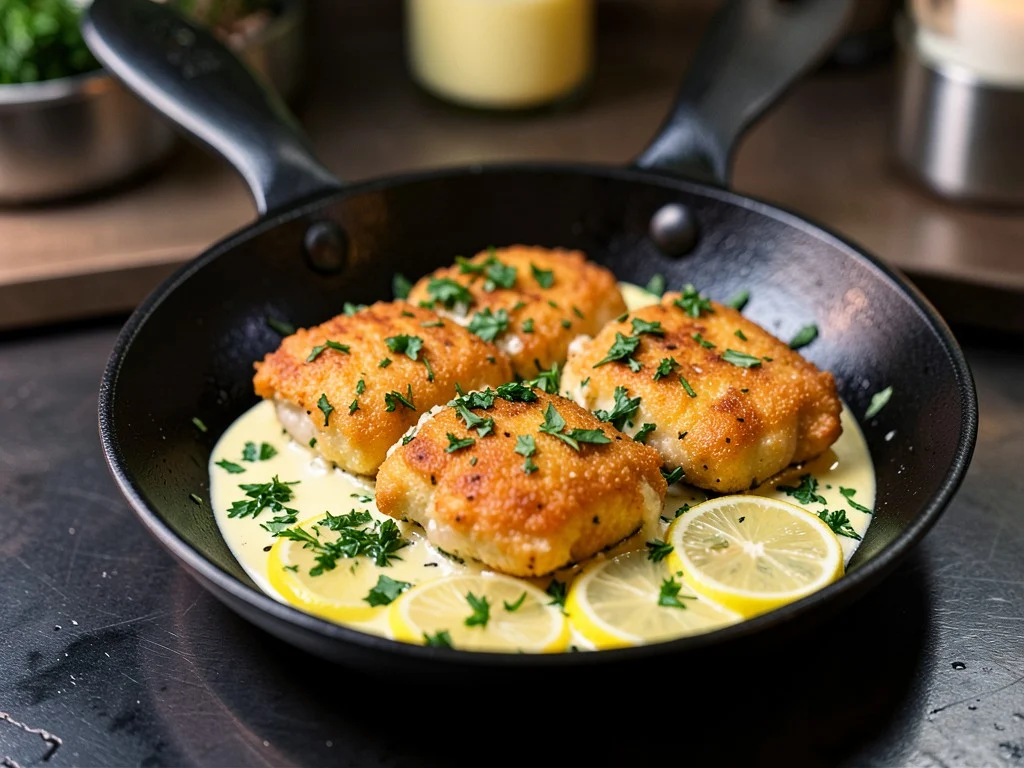
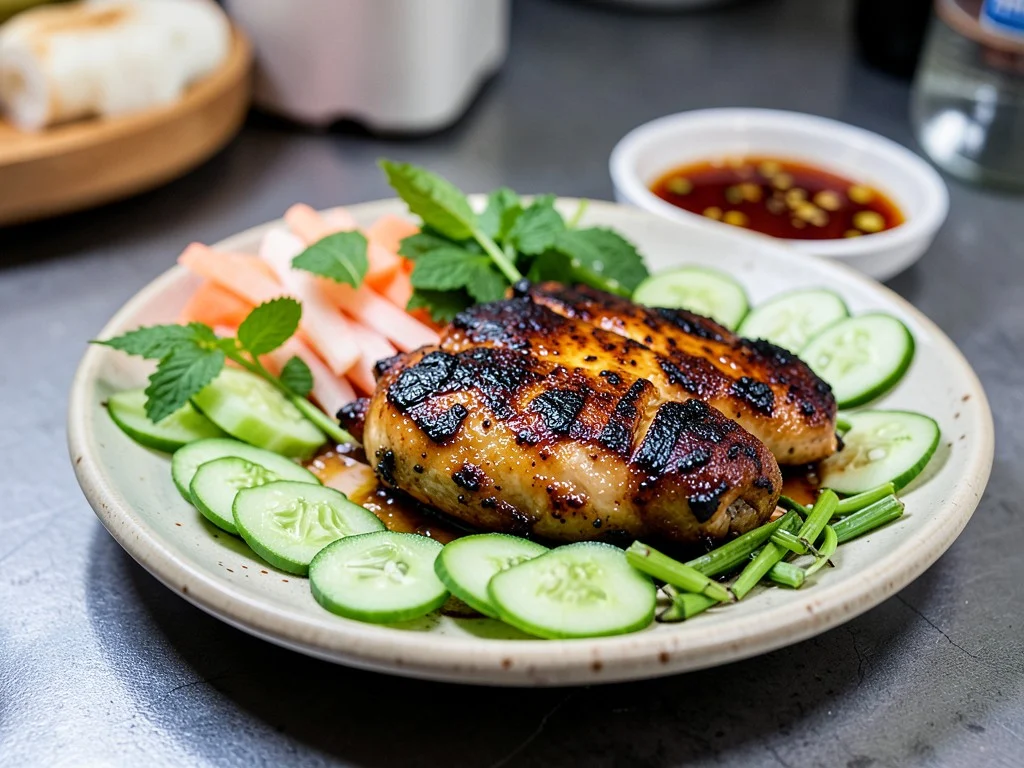
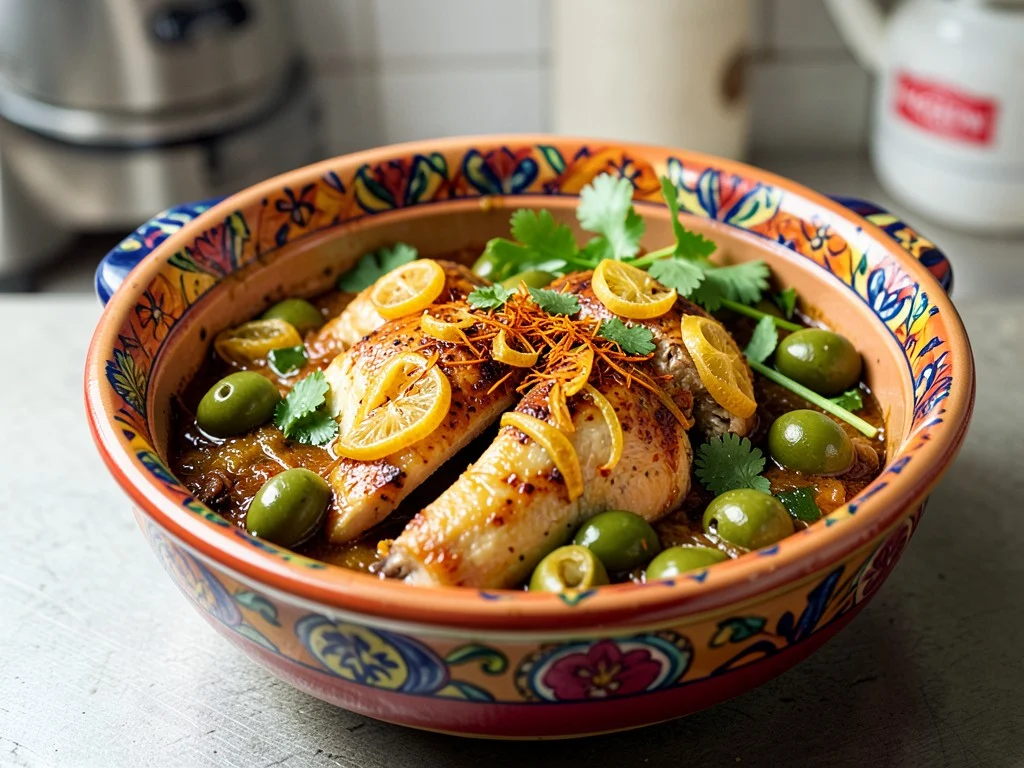
The Culinary Science of Global Poultry Cooking
Mastering authentic international chicken centers around three culinary pillars:
- Enzymatic vs. Acidic Tenderizers: Korean bulgogi utilizes grated Asian pear (calpain enzyme) to naturally soften meat fibers without turning poultry mushy. In contrast, Indian yogurt marinades use mild lactic acid to gently tenderize without denaturing surface proteins prematurely.
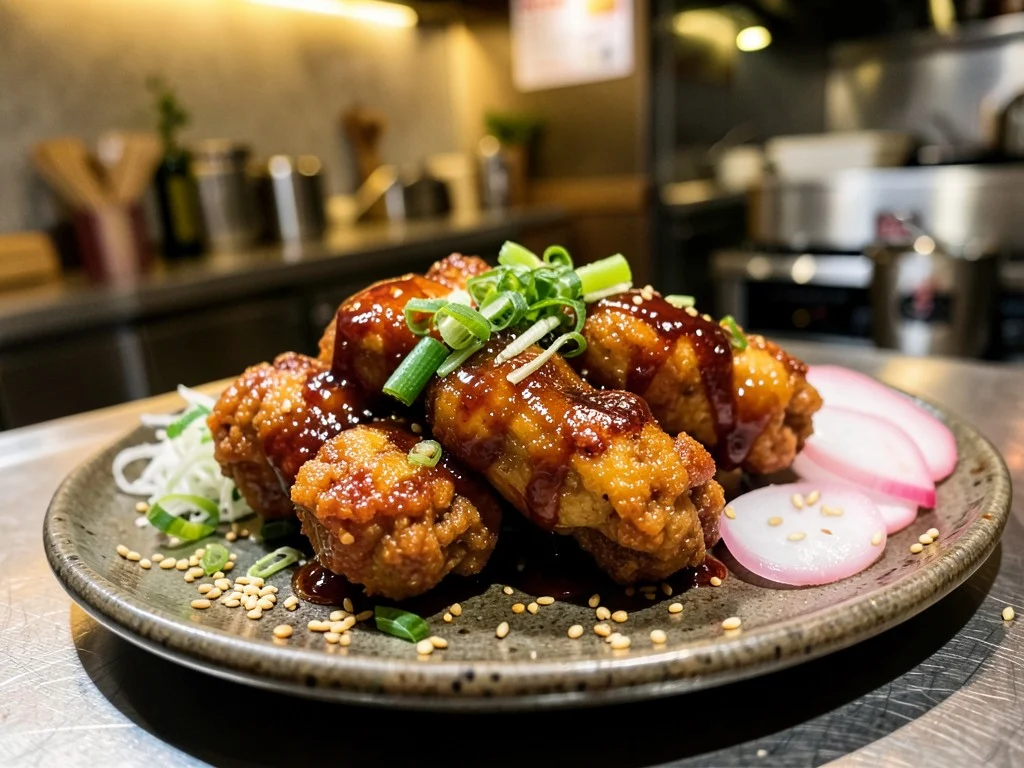
- Two-Stage Starch Frying: Korean and Japanese fried chicken utilize potato starch (katakuriko) rather than heavy wheat flour. Cooking in two temperature stages (first at 325°F / 163°C to cook through, then at 375°F / 190°C to shatter surface moisture) yields an airy glass-like crunch that remains crisp even when sauced.
- Blooming Spice Pastes in Fat: Authentic Thai green curries crack coconut cream over medium heat until virgin coconut oil surfaces. Frying curry paste directly in hot coconut oil dissolves fat-soluble aromatic terpenes in lemongrass and galangal, releasing immense fragrance before adding liquids.
International Chicken Cooking Technique Matrix
| Cuisine and Technique | Best Cut | Target Doneness | Signature Secret |
|---|---|---|---|
| Korean Double-Fry (Yangnyeom) | Wings or thighs | 165°F (74°C) | Potato starch dredge with two-stage 325°F / 375°F frying |
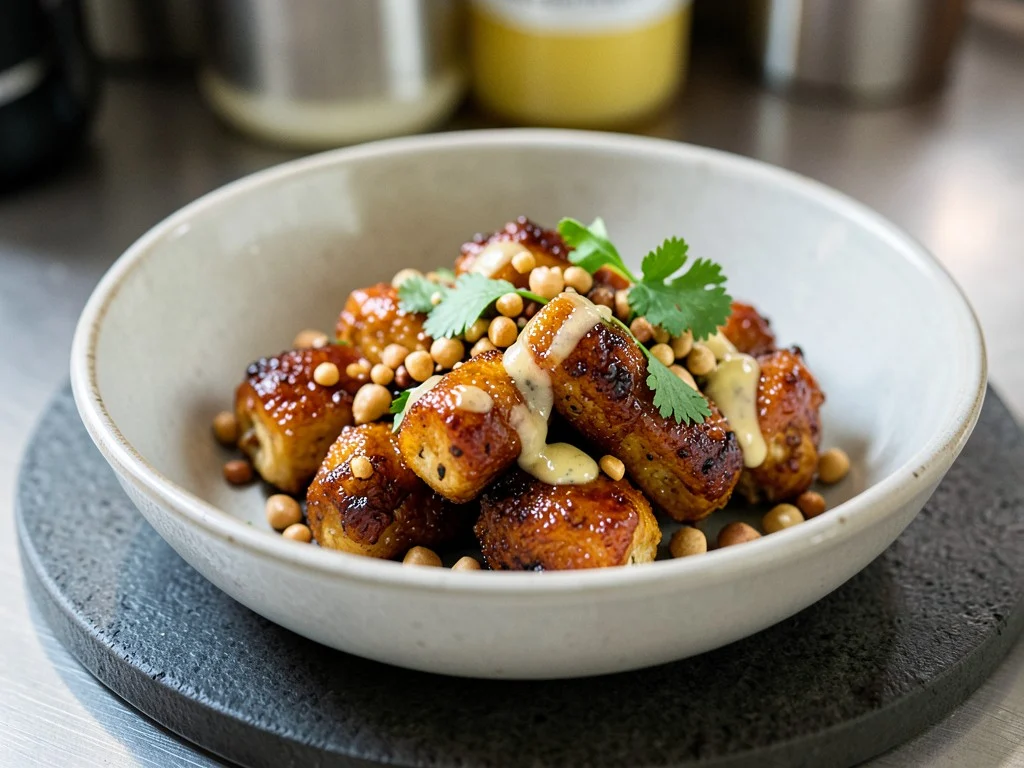
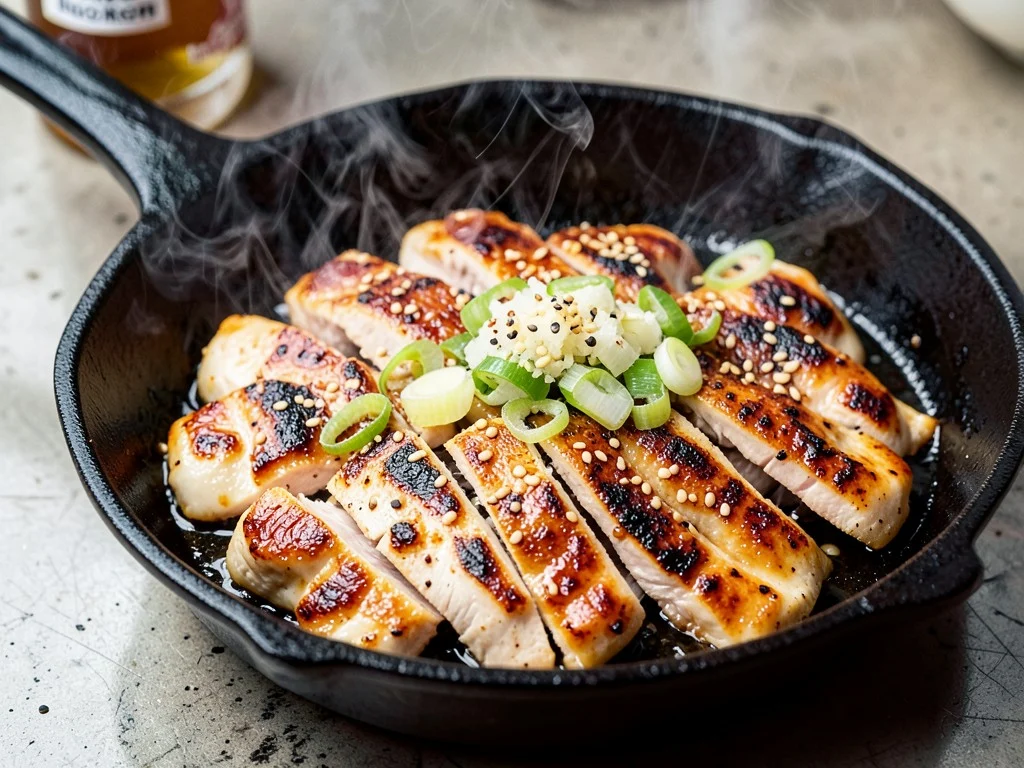
| Japanese Yakitori (Tare Glaze) | Thigh cubes with Tokyo negi | 175°F (79°C) | Reduced mirin-sake tare brushed repeatedly over direct heat |
| Thai Street Pad Thai | Thinly sliced breast | 165°F (74°C) | Warm-water soaked rice noodles tossed with authentic tamarind concentrate |
Explore Related Technique Guides and Hubs
Continue your chicken cooking journey with our core culinary guides:
- Master Chicken Internal Temperature Guide: Safe pull temps across every cut and cooking style.
- How to Brine Chicken: Wet vs. dry brine ratios for maximum moisture.
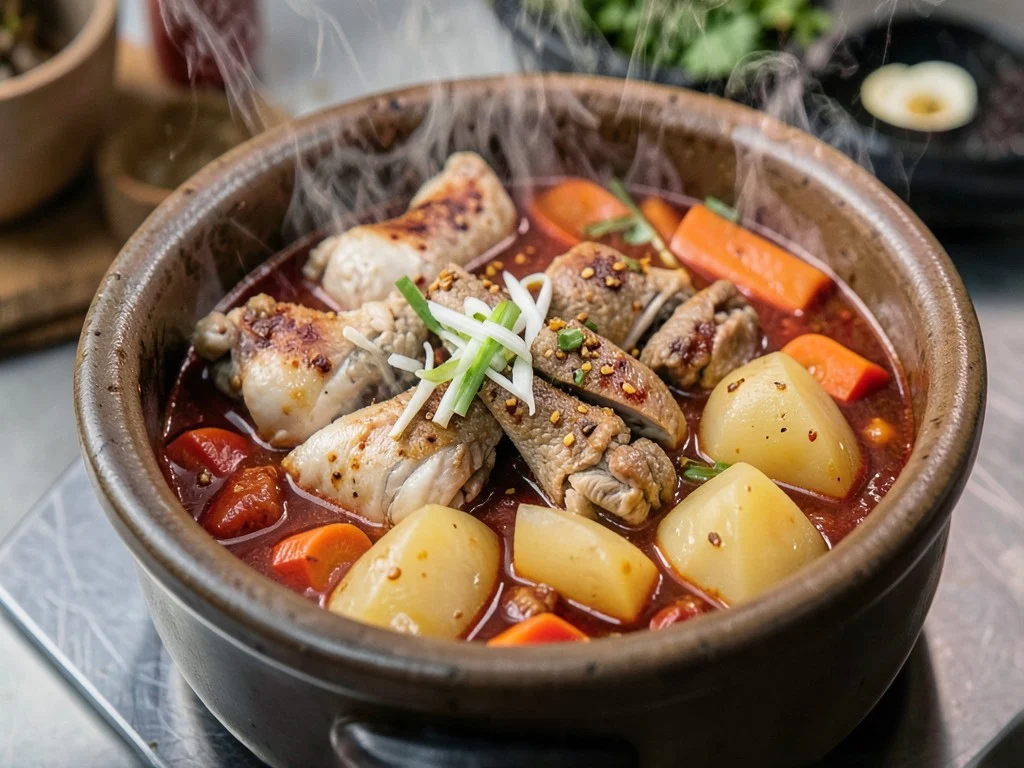
- Comfort Zone Chicken Hub: 30 tested winter comfort soups, chilies, and stews.