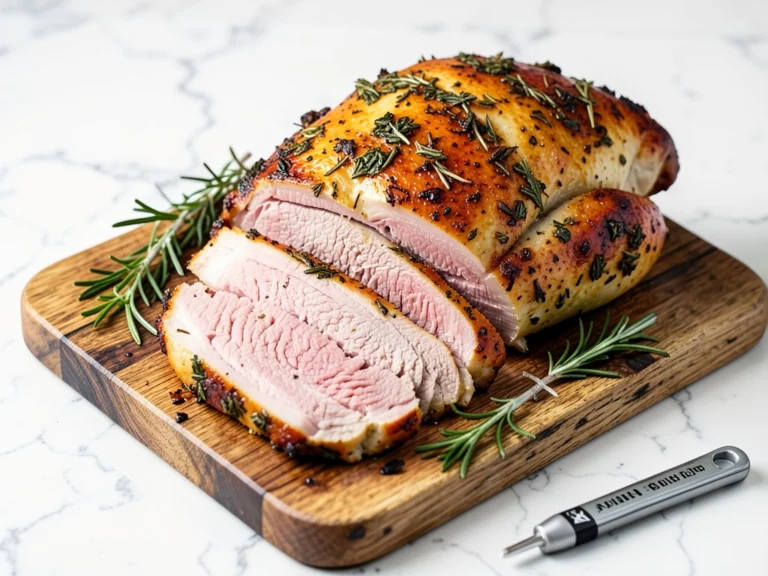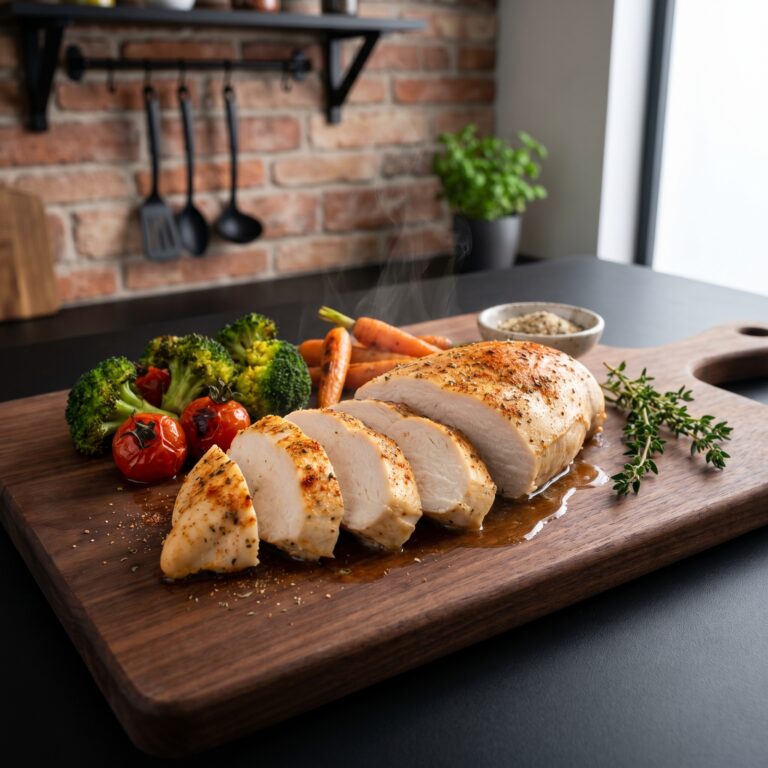
1Evaluate Your Meal Plan
Select a whole chicken when you want roast chicken, carved dark meat, and bones for broth. Select boneless breasts when speed and lean protein are your primary goals.
Compare culinary yield, price per pound, cooking versatility, and macro profiles to choose between whole chicken and boneless breasts.
Quick Look
| Recipe | Whole Chicken vs Chicken Breast (Cost Per Pound, Yield and Juiciness Breakdown) |
Get new recipes
Got chicken? Never wonder what’s for dinner again.
Compare culinary yield, price per pound, cooking versatility, and macro profiles to choose between whole chicken and boneless breasts.
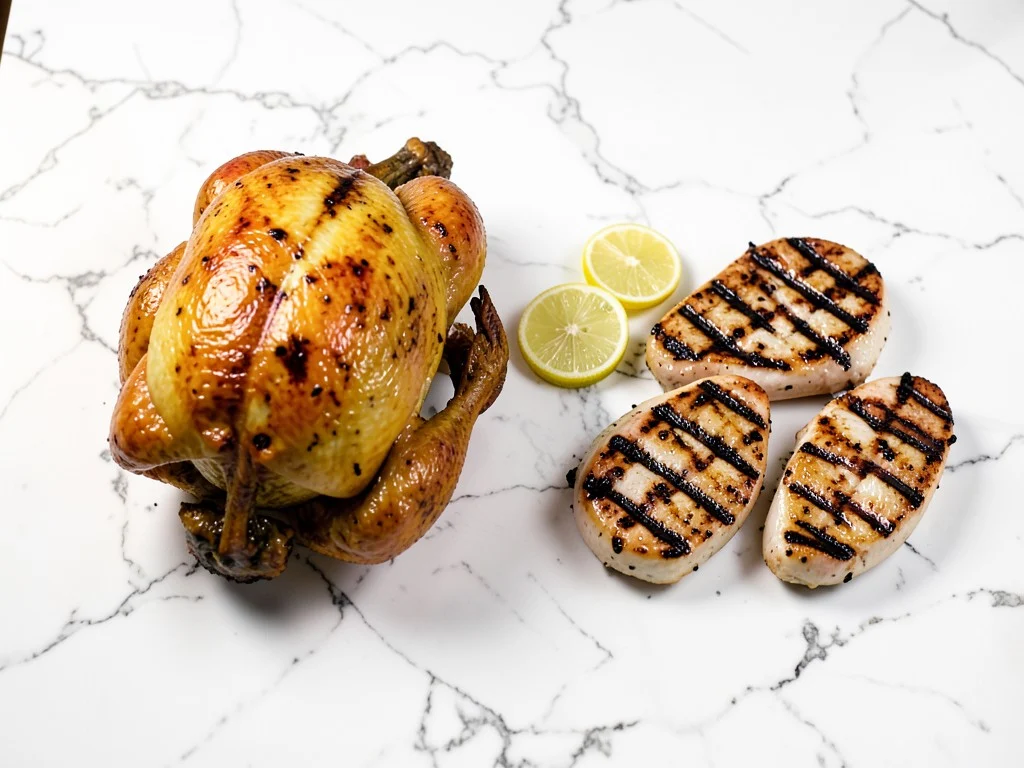
Wondering whether buying a whole chicken or a pack of boneless skinless chicken breasts gives you more value and better flavor for your family? You have come to the right place. We break down the true cost per pound, edible meat yield, and best culinary uses.
A whole chicken contains both white and dark meat bound by bones, skin, and connective collagen. During cooking, bones conduct heat gradually while collagen melts into rich gelatin that coats muscle fibers. Boneless breasts consist solely of fast twitch white muscle fibers with minimal fat. While breasts cook in minutes, whole chickens deliver richer flavor and superior moisture retention across varied cooking applications.
Here is what you need to make this recipe for whole chicken vs chicken breast:
Whole Roasting Chicken: Delivers white meat, dark thighs, wings, and bones for stock at half the price per pound of cut meat.
Boneless Skinless Breasts: Pure lean protein with zero waste, zero bones, and minimal prep time for fast weeknight dinners.
Seasoning Rub: Simple kosher salt, garlic, and thyme accentuate natural poultry flavors across both preparations.
Cooking Fat: Butter enhances whole roasted skin, while olive oil protects lean breasts during searing.
Serve carved whole chicken with gravy and roasted root vegetables; pair sliced breasts with quinoa bowls, pasta, or fresh green salads.
Store carved whole chicken or cooked breasts in airtight containers in the refrigerator for up to 4 days. Warm gently in a covered skillet or 325°F oven with a splash of broth to preserve tenderness.
Mastering Whole Chicken vs Chicken Breast Guide comes down to precise temperature control and key technique cues.
Select a whole chicken when you want roast chicken, carved dark meat, and bones for broth. Select boneless breasts when speed and lean protein are your primary goals.
For whole chicken, pat dry and season cavity and skin. For breasts, trim excess fat and pound to even thickness.
Coat meat generously with olive oil, kosher salt, garlic powder, dried thyme, and black pepper.
Roast a whole chicken at 425°F for 65 to 75 minutes. Sear or bake boneless chicken breasts at 400°F for 18 to 22 minutes.
Use an instant read thermometer to confirm breasts reach 165°F and whole chicken thighs reach 175°F to 180°F. Rest before slicing or carving.
Every recipe on Chickeeen relies on these four core culinary physics principles. Use our tested reference cards before you start cooking.
Exact target internal pull temperatures by cut to lock in maximum moisture.
Retain up to 40% more natural juices with proper carryover heat resting.
Dry brining science and salt penetration window for deeply seasoned poultry.
The baking powder secret, high heat Maillard reaction, and fat rendering rules.
Learn when whole roasters provide superior broth and dark meat, versus when lean cutlets save weeknight time.
Store carved whole chicken or cooked breasts in airtight containers in the refrigerator for up to 4 days.
Warm gently in a covered skillet or 325°F oven with a splash of broth to preserve tenderness.
Technique Guides