The White Stuff on Cooked Chicken
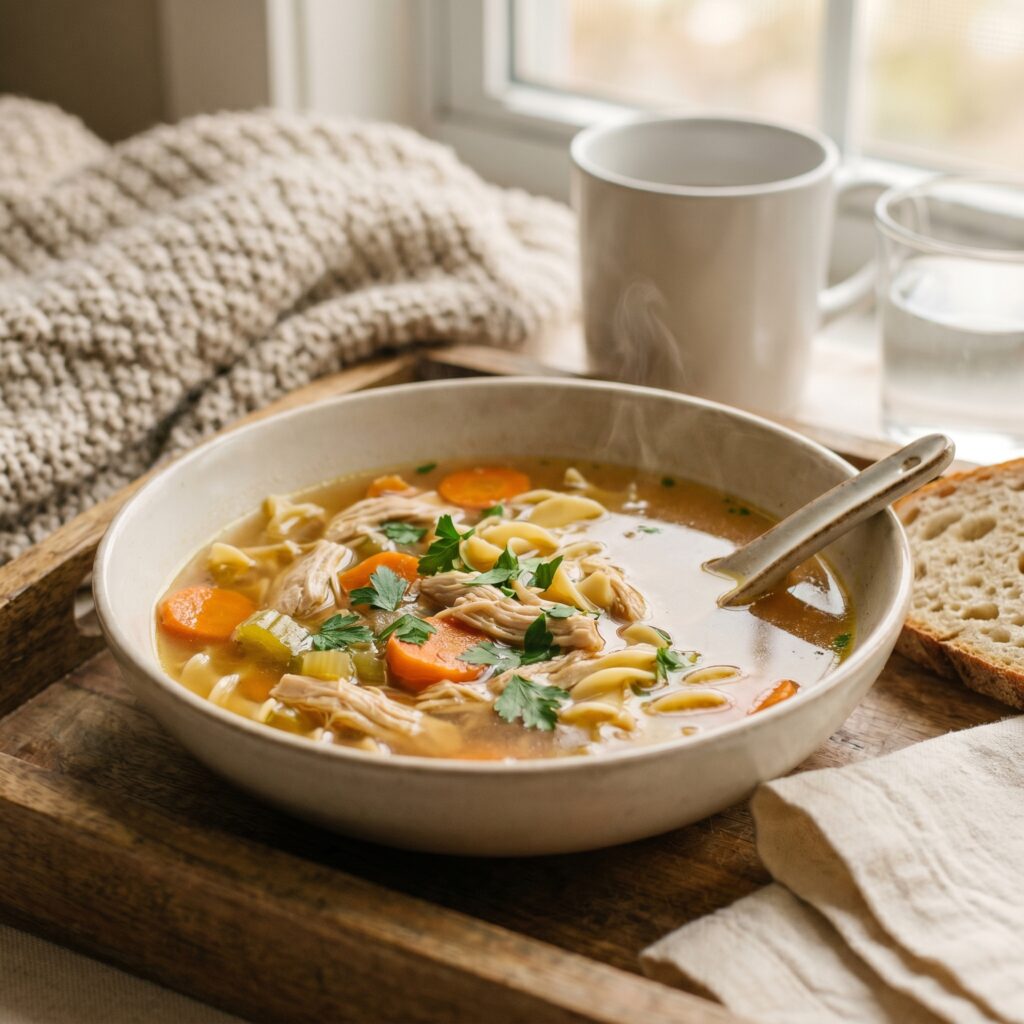
The white stuff on cooked chicken is protein, mostly water-soluble protein often called albumin, that seeps out of the meat and turns opaque when it’s heated, much like egg white. It’s harmless and safe to eat.
| What it is | Coagulated protein pushed out of the muscle |
| Is it safe | Yes, it is not a sign of spoilage or undercooking |
| When you see more | Boiling or poaching, chicken cooked from frozen, or overcooked chicken |
Why it happens
As chicken heats, its muscle fibers tighten and squeeze out moisture. Some of the proteins dissolved in that moisture reach the surface and set into white beads or a thin film. You’ll see more of it with wet cooking methods like boiling and poaching, with chicken that was frozen and thawed (ice crystals damage the muscle cells and release more liquid), and with chicken cooked past its target temperature, since tighter fibers push out more juice.
How to see less of it
- Pat the chicken dry with paper towels before cooking.
- Thaw frozen chicken slowly in the refrigerator rather than in a microwave.
- Brine it first: a short brine helps the meat hold on to its moisture.
- Pull it on time: breast at 160°F to 162°F with a rest to 165°F, dark meat at 175°F to 185°F.
- Choose dry heat such as roasting or searing over boiling when appearance matters.
White stuff vs signs of spoilage
The white protein appears during cooking and is completely normal. Spoiled chicken gives itself away before it ever reaches the pan: a sour or ammonia-like smell, a slimy or tacky surface, or a gray or green tint. If raw chicken shows any of those, throw it out rather than cooking it. USDA advises cooking or freezing raw chicken within 1 to 2 days of buying it. White, dry, leathery patches on frozen chicken are freezer burn, which is safe but tough, so trim them off.
Food safety notes
The white stuff tells you nothing about doneness either way, so always check with a thermometer. Learn the safe temperatures in our chicken internal temperature guide and the handling rules in our chicken food safety guide.
Does brining or marinating help?
Yes. Salt in a brine or dry brine loosens the muscle proteins so they hold on to more of their own moisture during cooking, which means less liquid, and less protein with it, reaches the surface. An acidic marinade does something similar on the outside of the meat. Even 30 minutes in a simple salt brine makes a visible difference on poached or baked breasts. Pat the chicken dry afterward rather than rinsing it.
Does it change the flavor?
Not in any way you’ll notice. The white protein is the same protein that’s inside the meat, just set on the surface. If it bothers you on a finished dish, wipe it off with a damp paper towel before serving, or spoon a sauce or glaze over the chicken in the last few minutes of cooking. On poached chicken, skim the foam from the surface of the water as it simmers for a cleaner broth.
Quick questions
Can I eat the white stuff on chicken?
Yes. It’s coagulated protein, not a sign of spoilage or undercooking.
How do I reduce the white stuff on chicken?
Pat the chicken dry before cooking, avoid boiling when you can, thaw frozen chicken slowly in the fridge, and avoid overcooking it.
Does white stuff mean the chicken is undercooked?
No. It forms as the meat heats and has nothing to do with whether the chicken is done. Only a thermometer can tell you that.